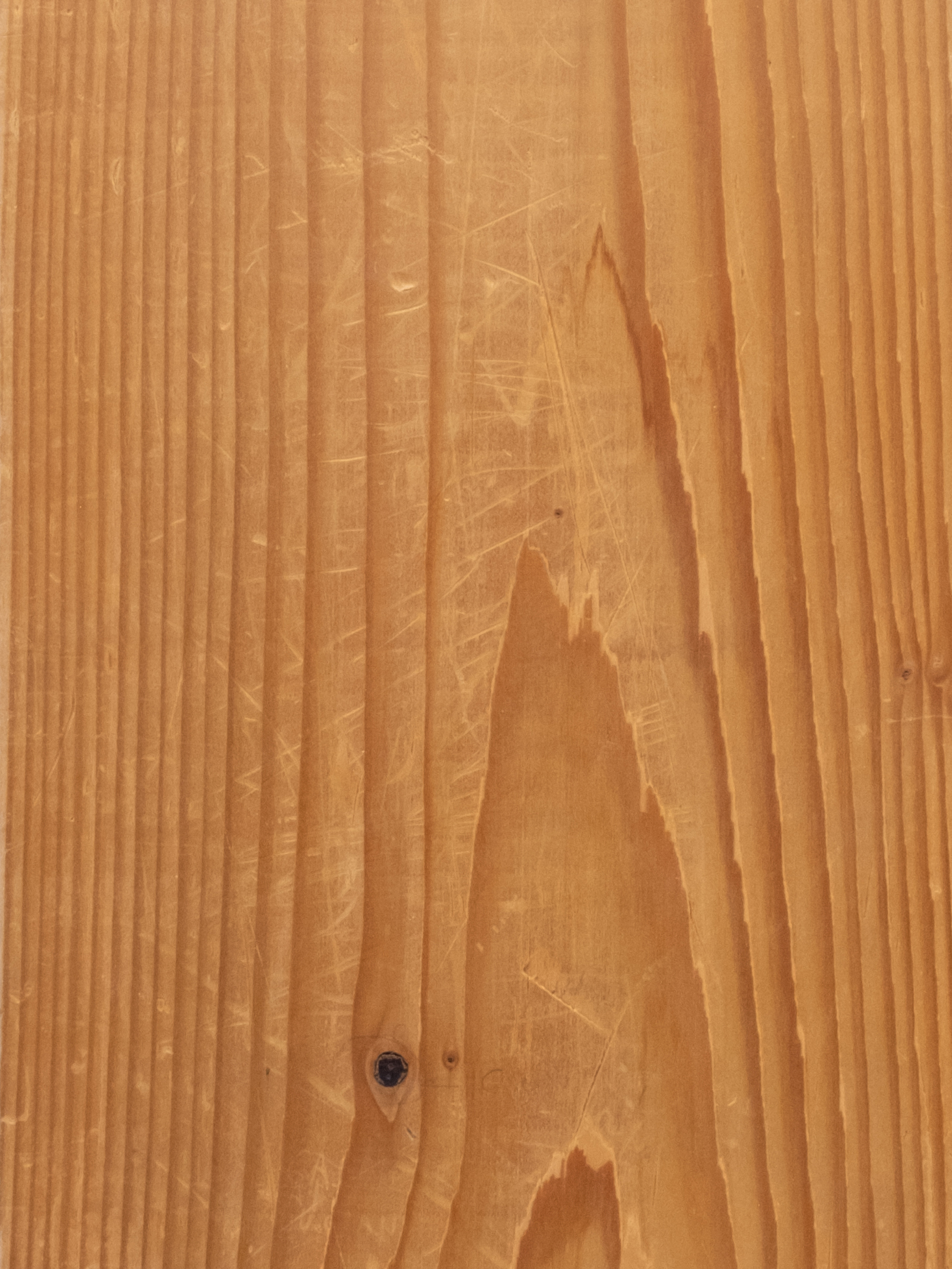
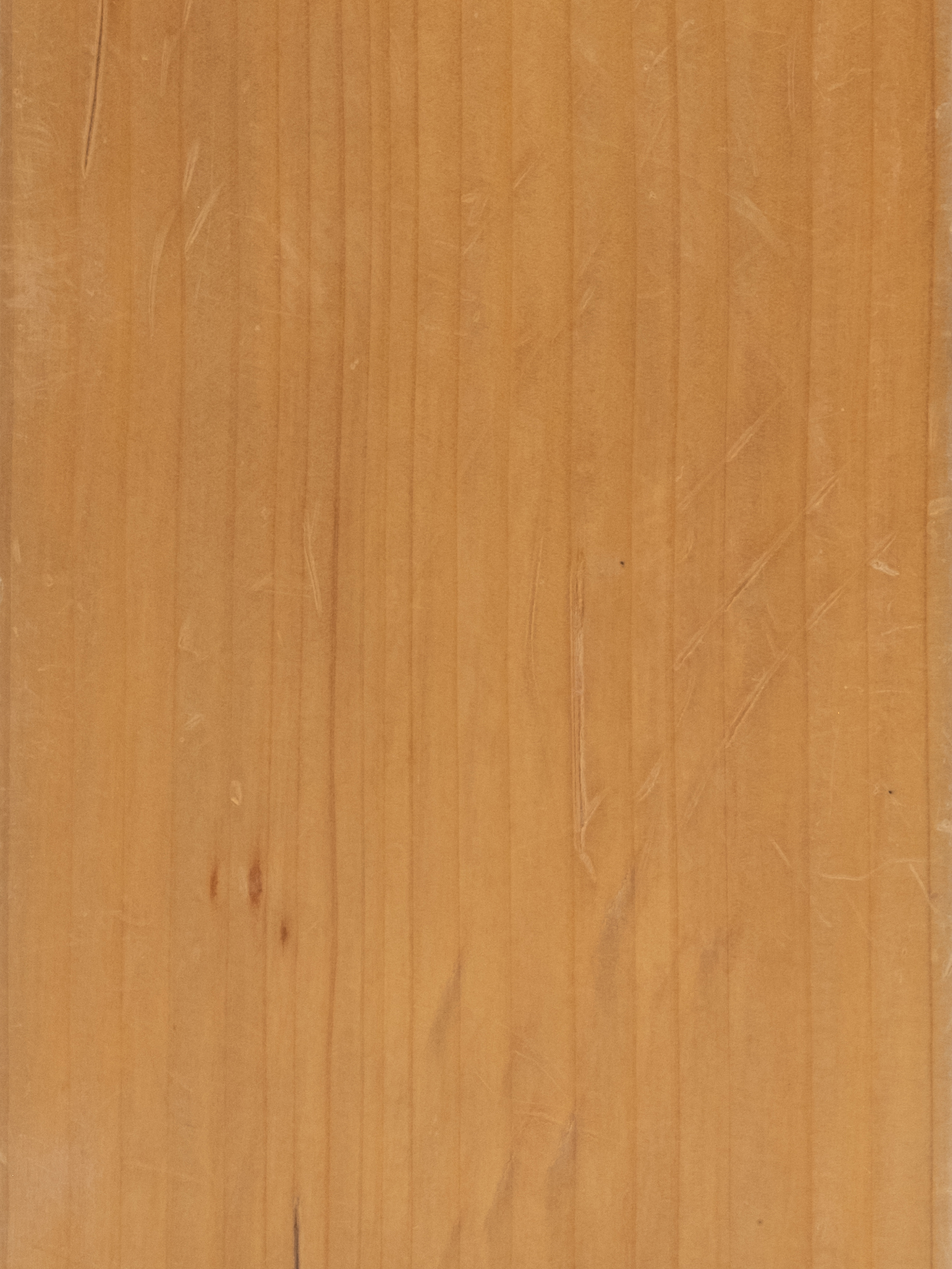
Fir wood has characteristics very similar to those of spruce, so much so that the two are often sold together without distinction. It is an extremely versatile coniferous wood.
Fir is widely used in construction, particularly in engineering works, but it also has applications in interior design, for example for flooring, ceiling cladding, stairs and window frames.
It is also used in the manufacture of furniture, chipboard, laminated wood, wood fibre, cellulose and paper.
The colour of fir varies from light yellow to white with reddish hues, accompanied by a typical greyish sheen and frequent knots. This wood is soft, light, flexible and almost resin-free.
It is valued for its good dimensional stability, thanks to its low tendency to split or warp. It also shows moderate resistance to chemicals such as acids and bases. However, its natural durability is rather limited: it is vulnerable to attack by fungi and insects, prone to blue stain and only moderately resistant to weathering.
Main source of description
Material-Archiv. (2023). Tanne, Weisstanne. Material-Archiv.
Other sources
Natterer, J., Volz, M., Volz, M., & Herzog, T. (2001). Atlante del legno ([rist.]). UTET.