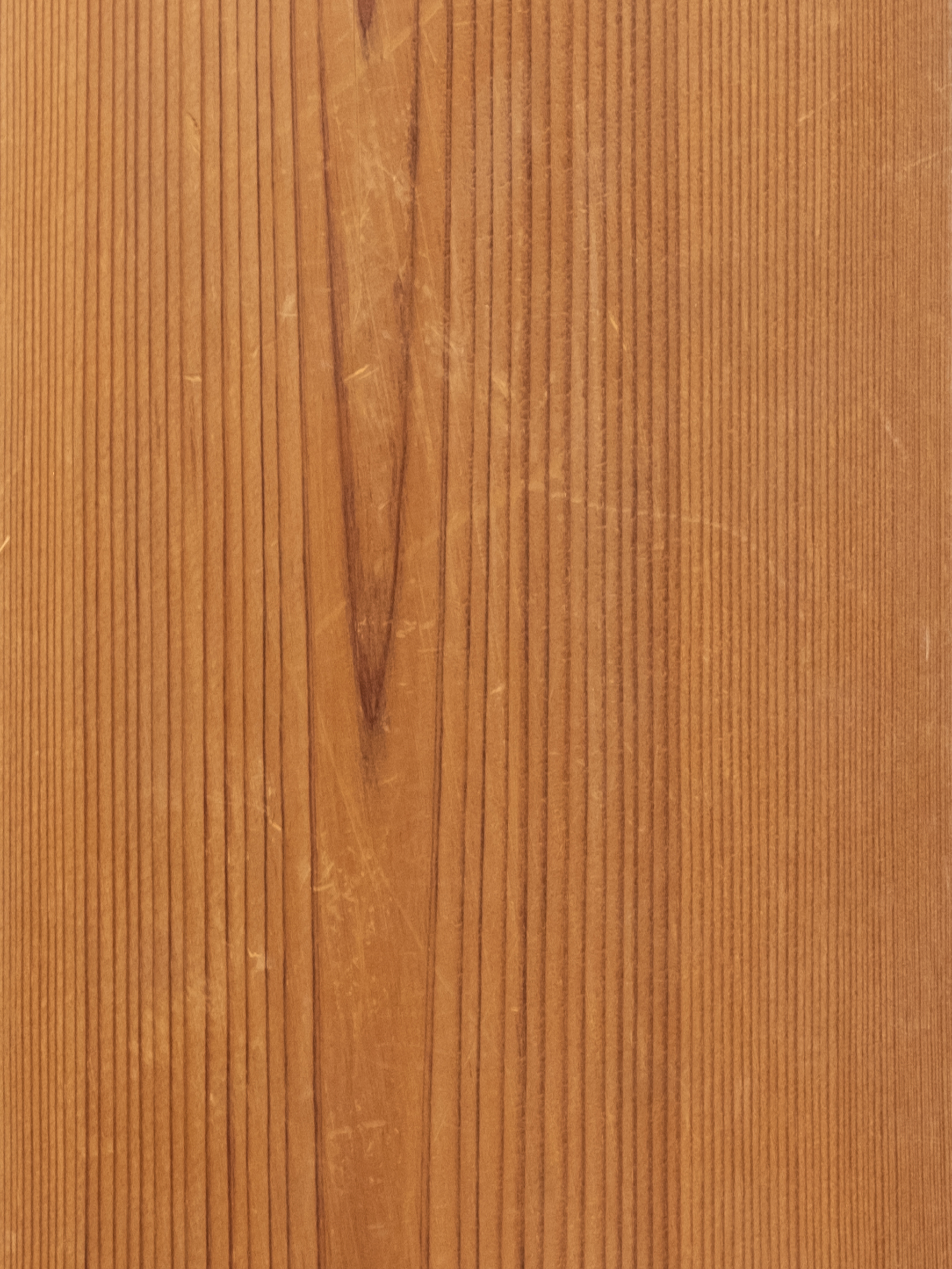
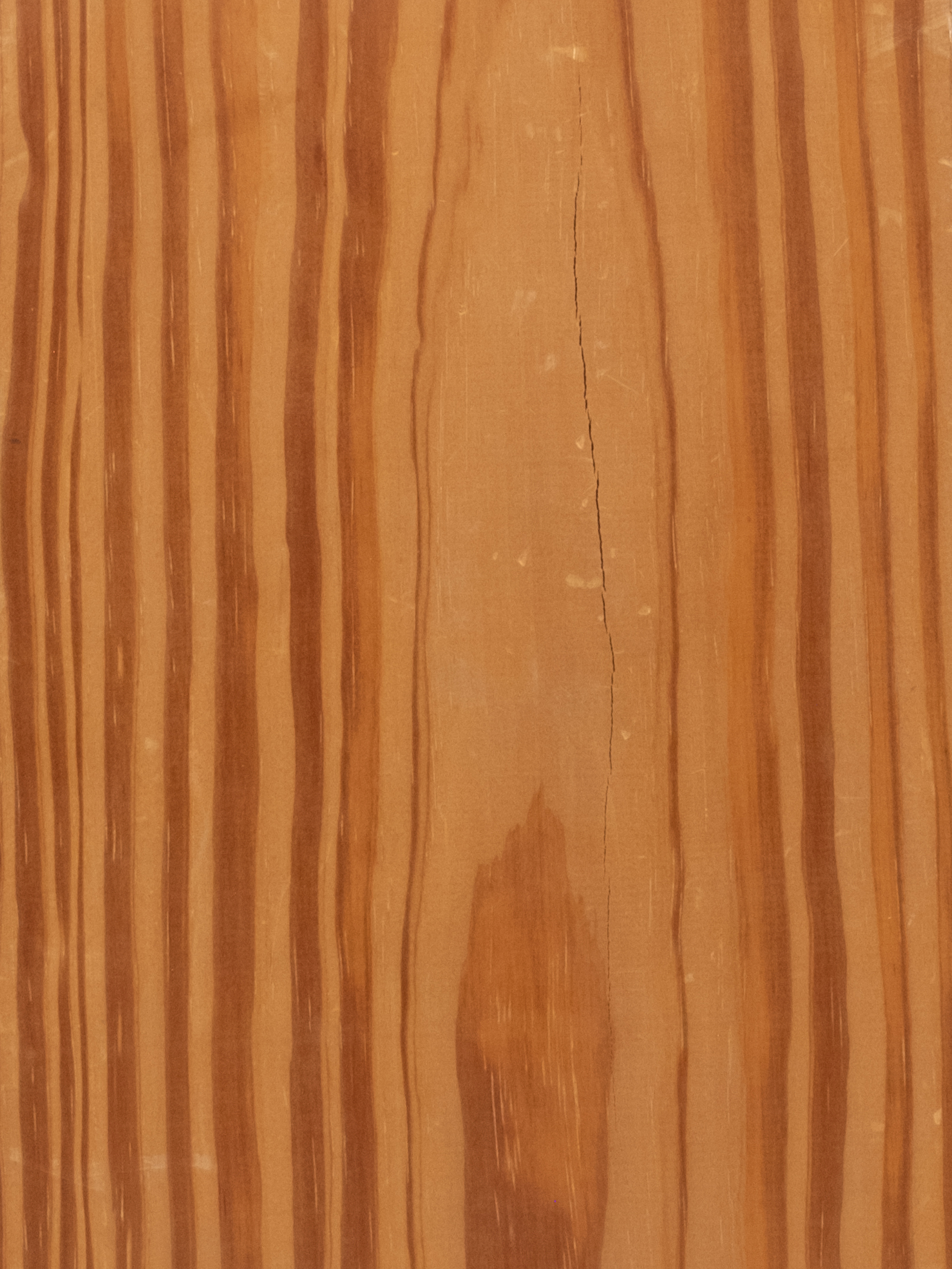
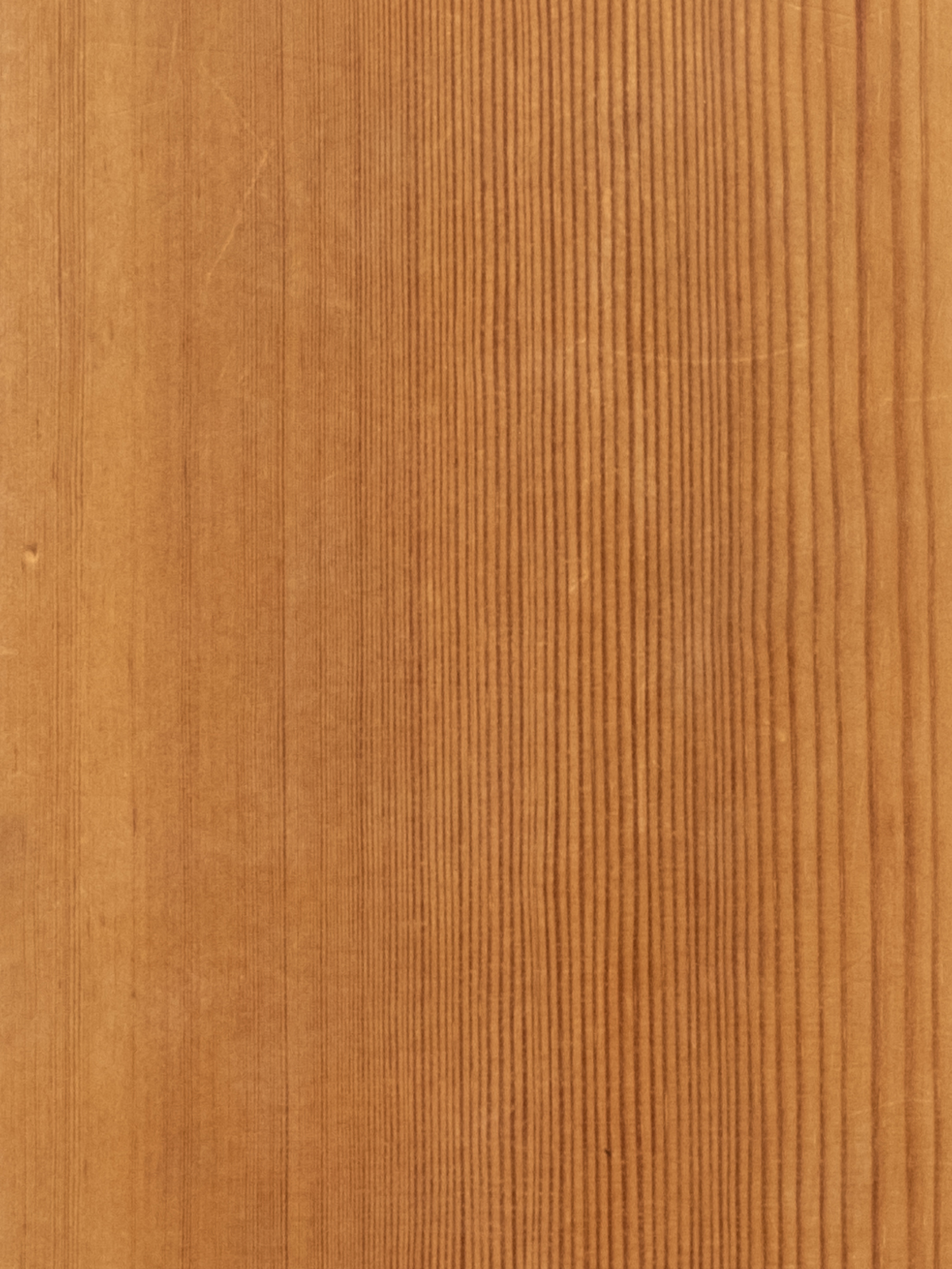
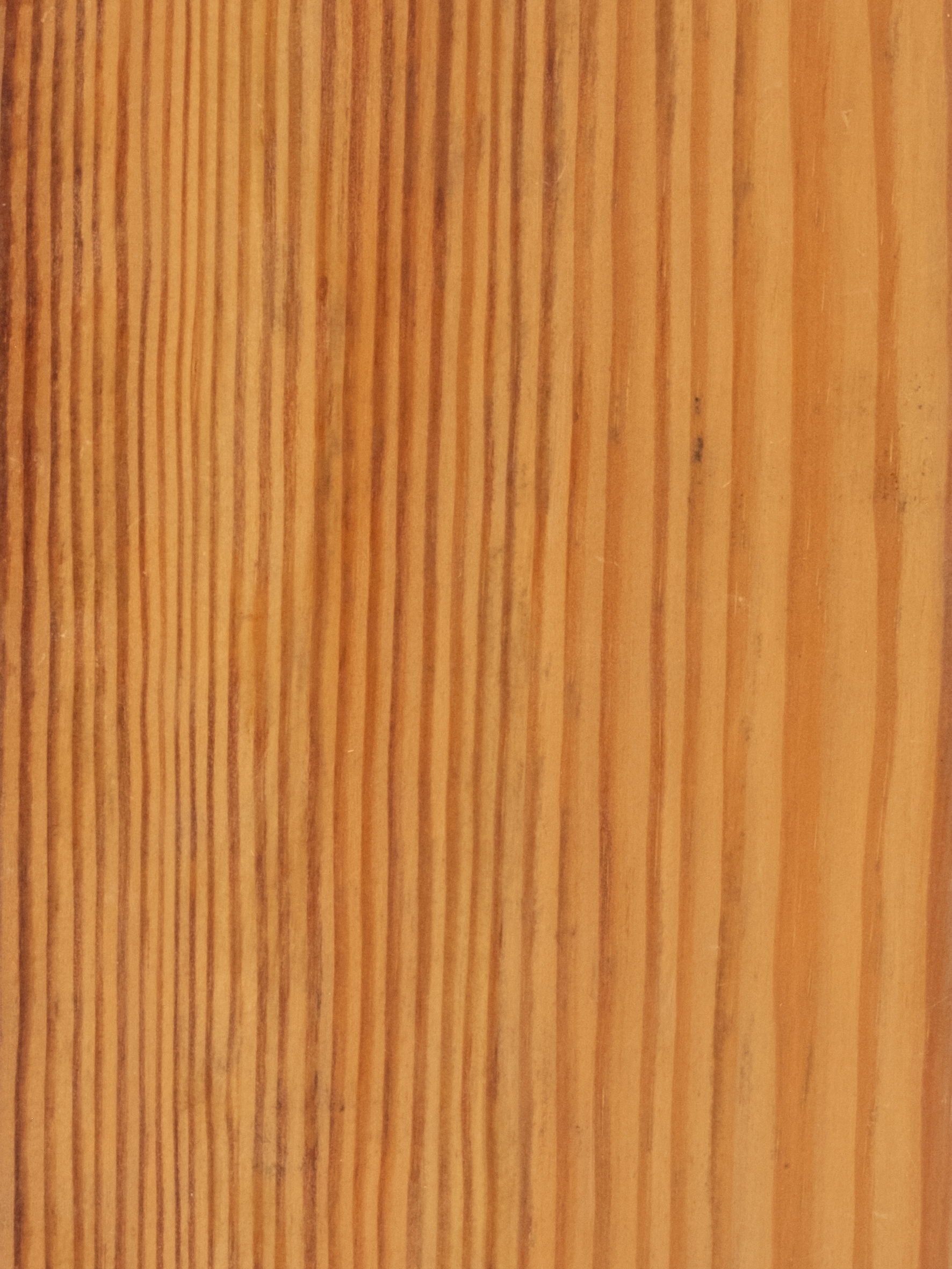
Pine is one of the most widespread conifers in Europe and belongs to the Pinus genus of the Pinaceae family. In Switzerland, it is commonly referred to simply as “pine wood”, although it can come from different species. Among these, the most important from an economic point of view is Scots pine (Pinus sylvestris), which provides a material that is valued for its versatility and quality.
Pine wood is light, soft and resinous, with a certain flexibility that makes it easy to work with. It has a straight grain, although it can sometimes be twisted, and gives off an aromatic, resinous scent, especially when fresh. Its mechanical properties include low compressive strength, medium bending stiffness and poor impact resistance, but it is highly mouldable. It dries quickly and efficiently, although the sapwood can easily develop bluish stains. Despite this, it shows good resistance to atmospheric agents.
Thanks to these characteristics, pine wood is used in a wide range of applications. It is used as a basic construction wood in areas ranging from hydraulic engineering to general carpentry. It is used in the construction of bridges, railway carriages and ships, as well as for door and window frames. Pine also plays an important role in the furniture and carpentry sectors, thanks to its ease of processing and good value for money.
Main source of description
Material-Archiv. (2024). Kiefer. Material Archiv.
Other sources
Natterer, J., Volz, M., Volz, M., & Herzog, T. (2001). Atlante del legno ([rist.]). UTET.