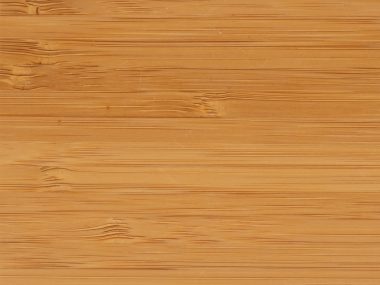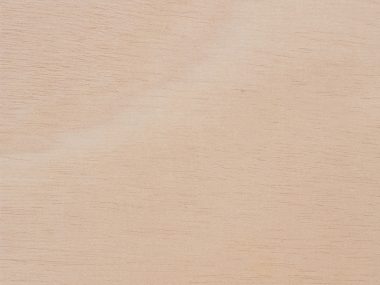
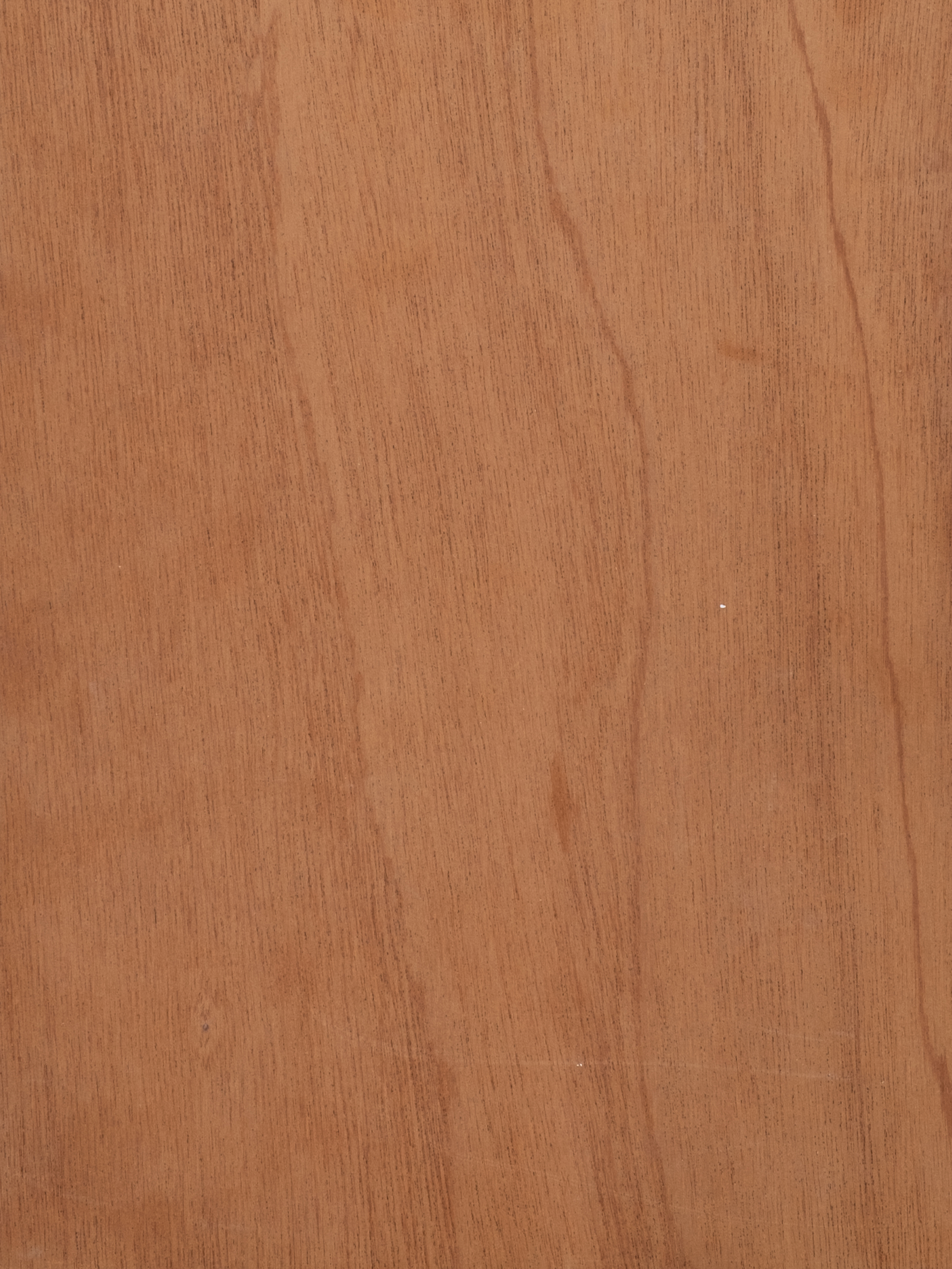
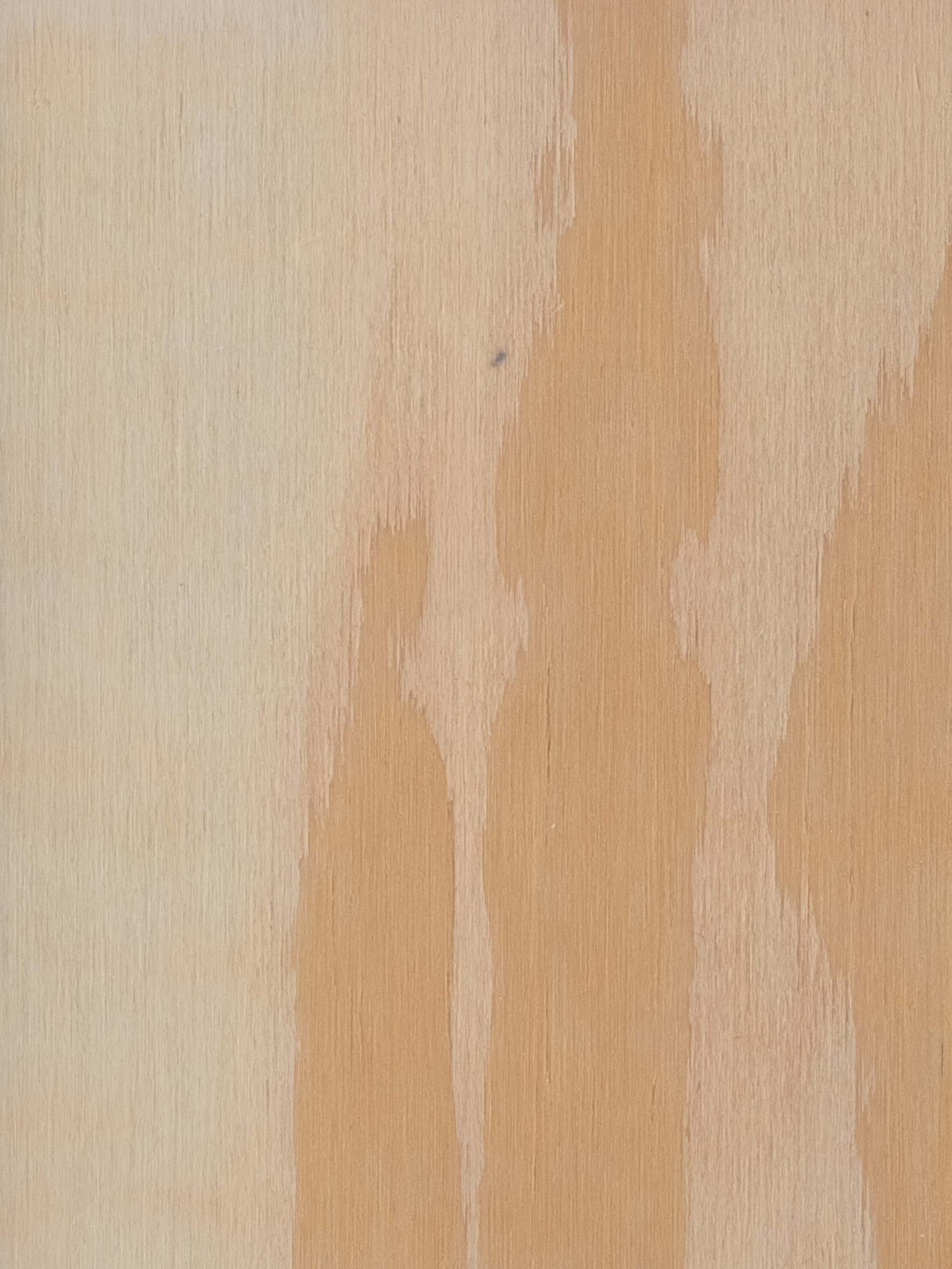
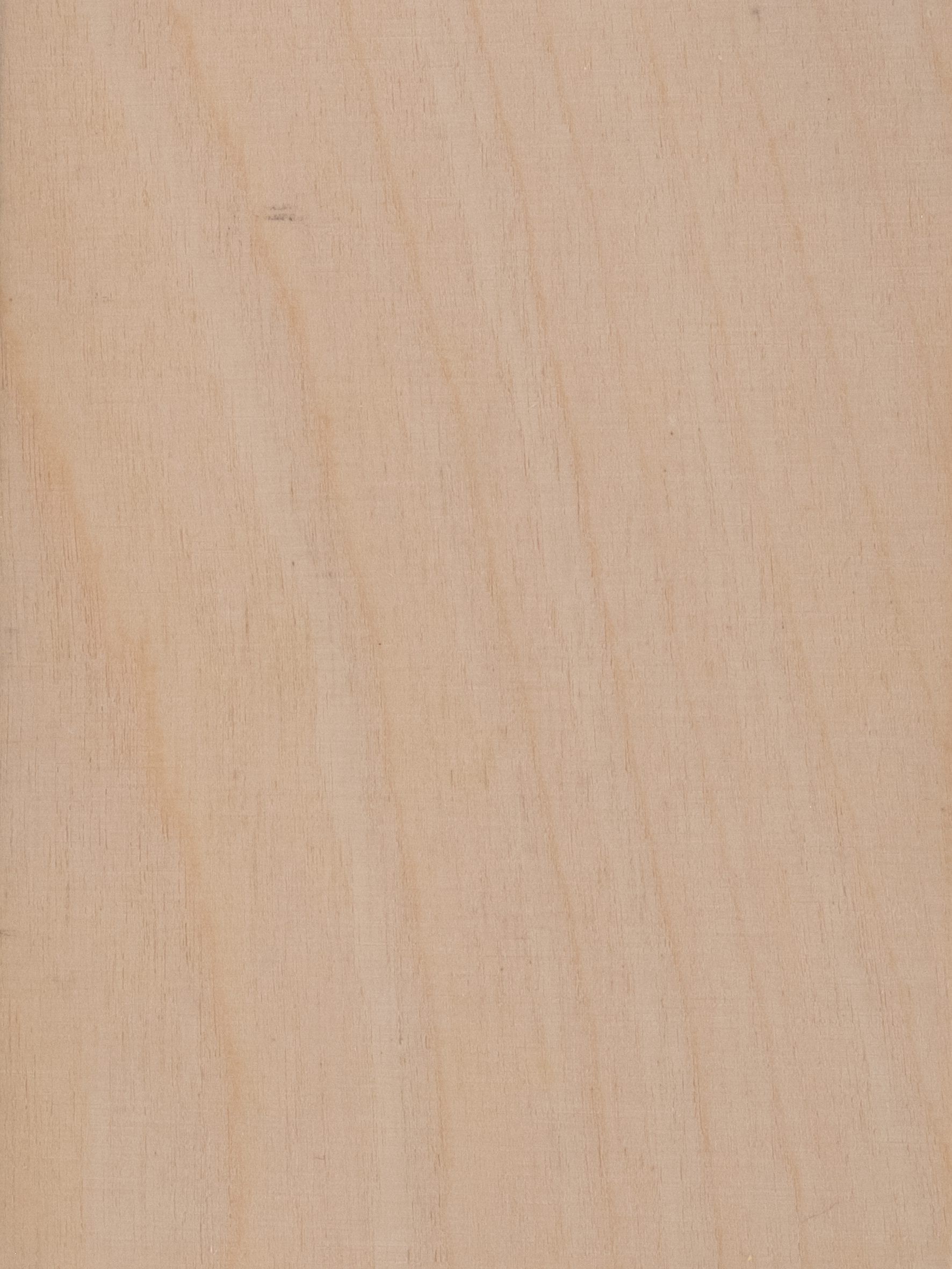
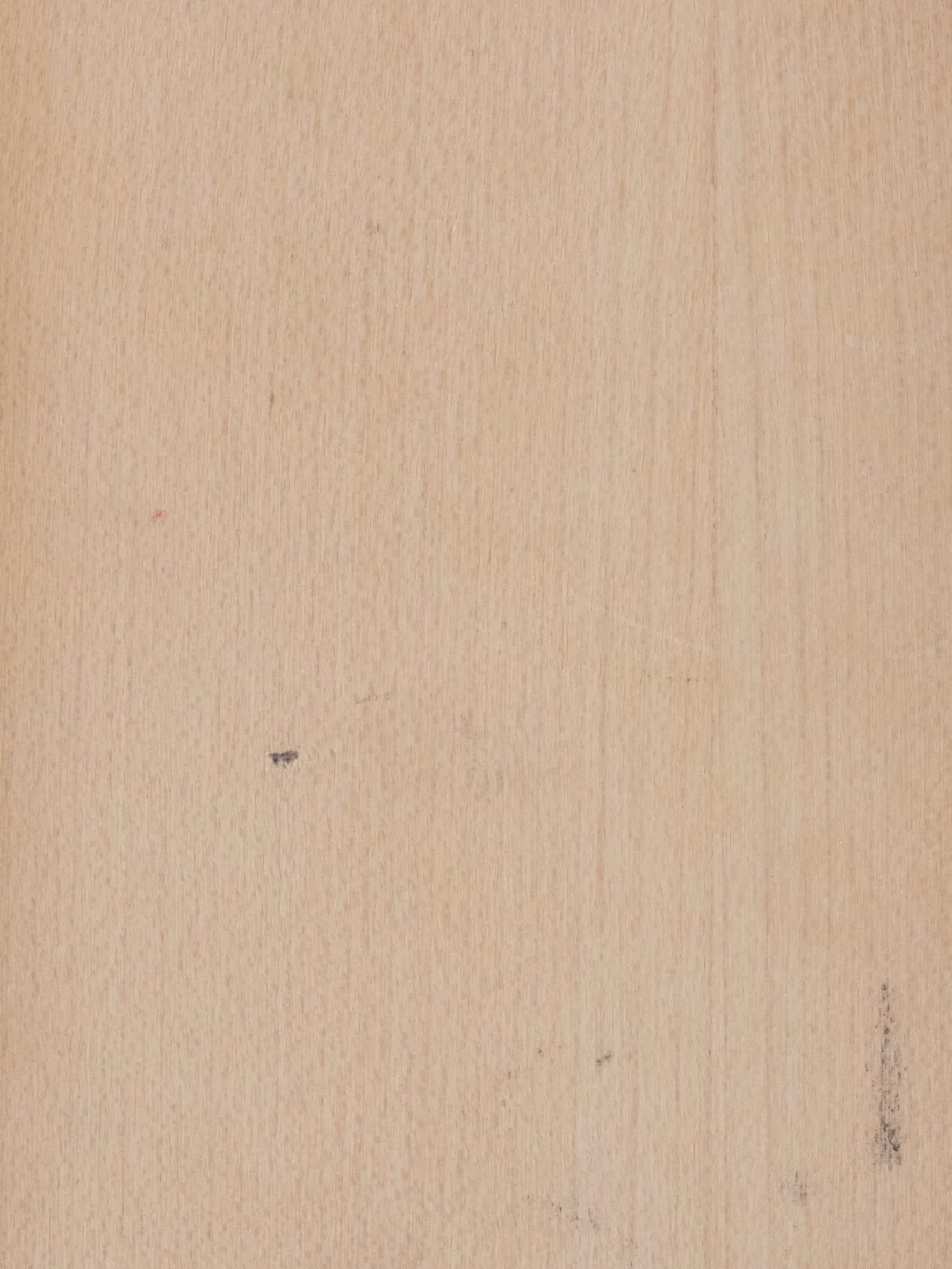
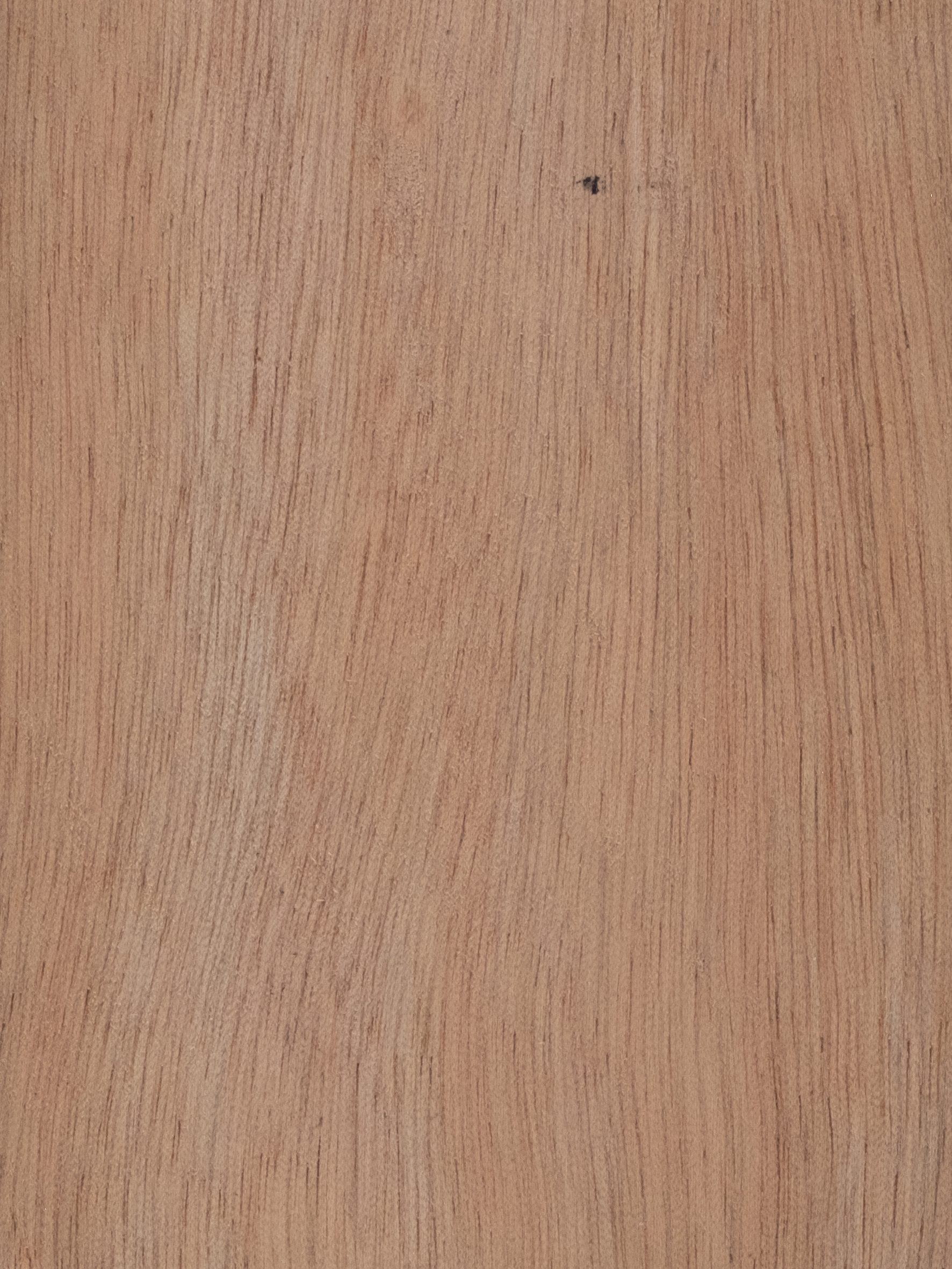
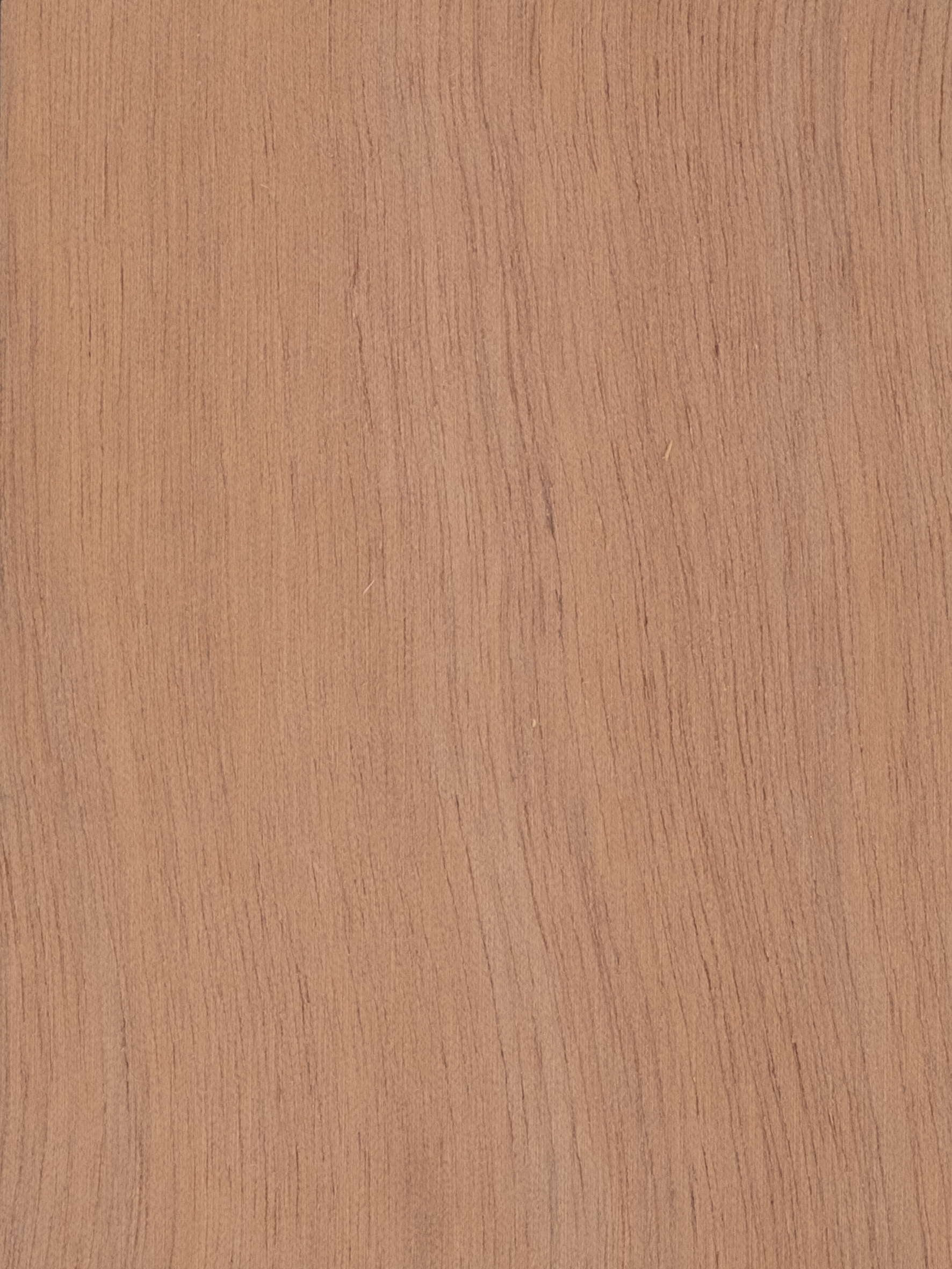
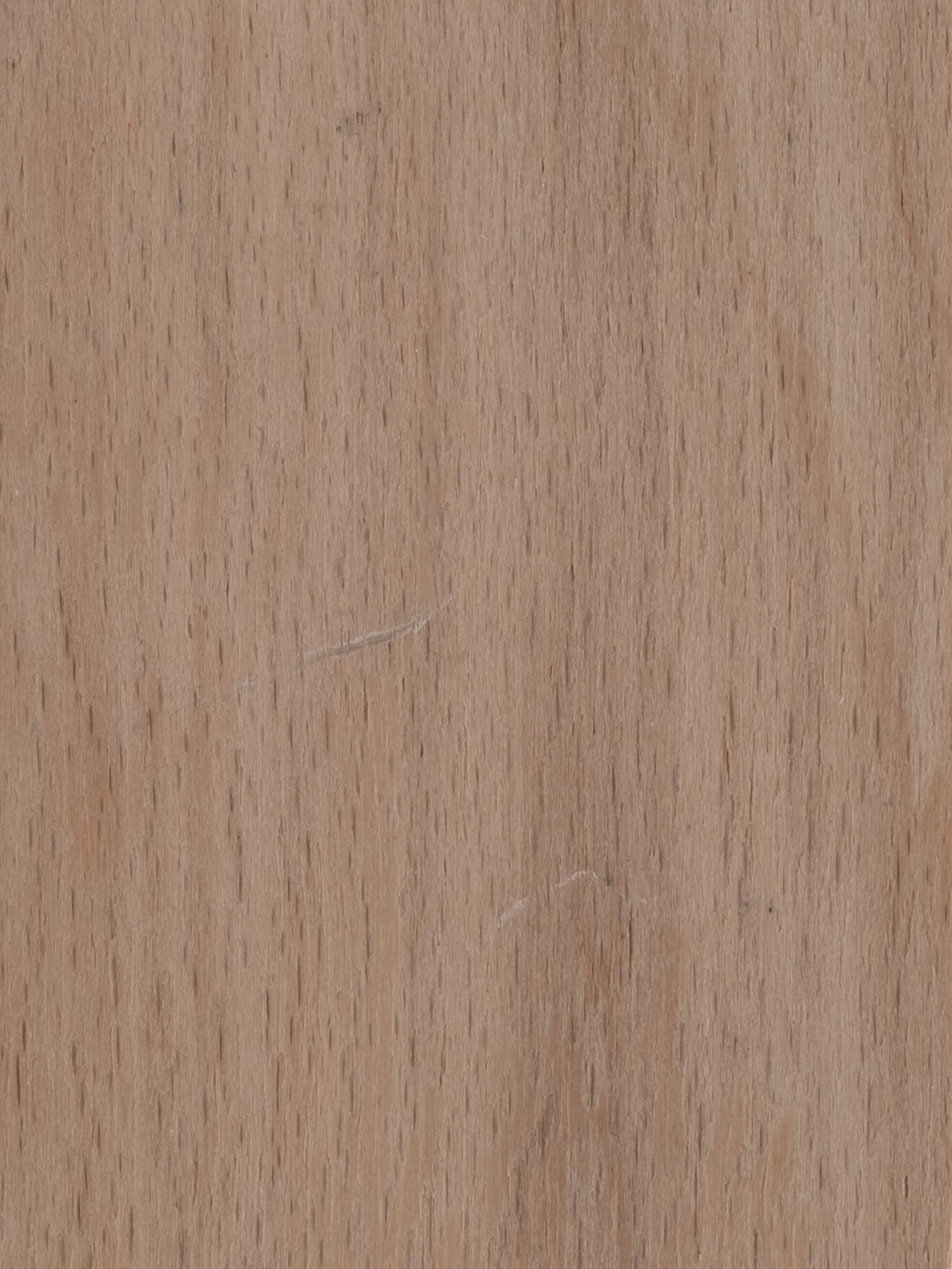
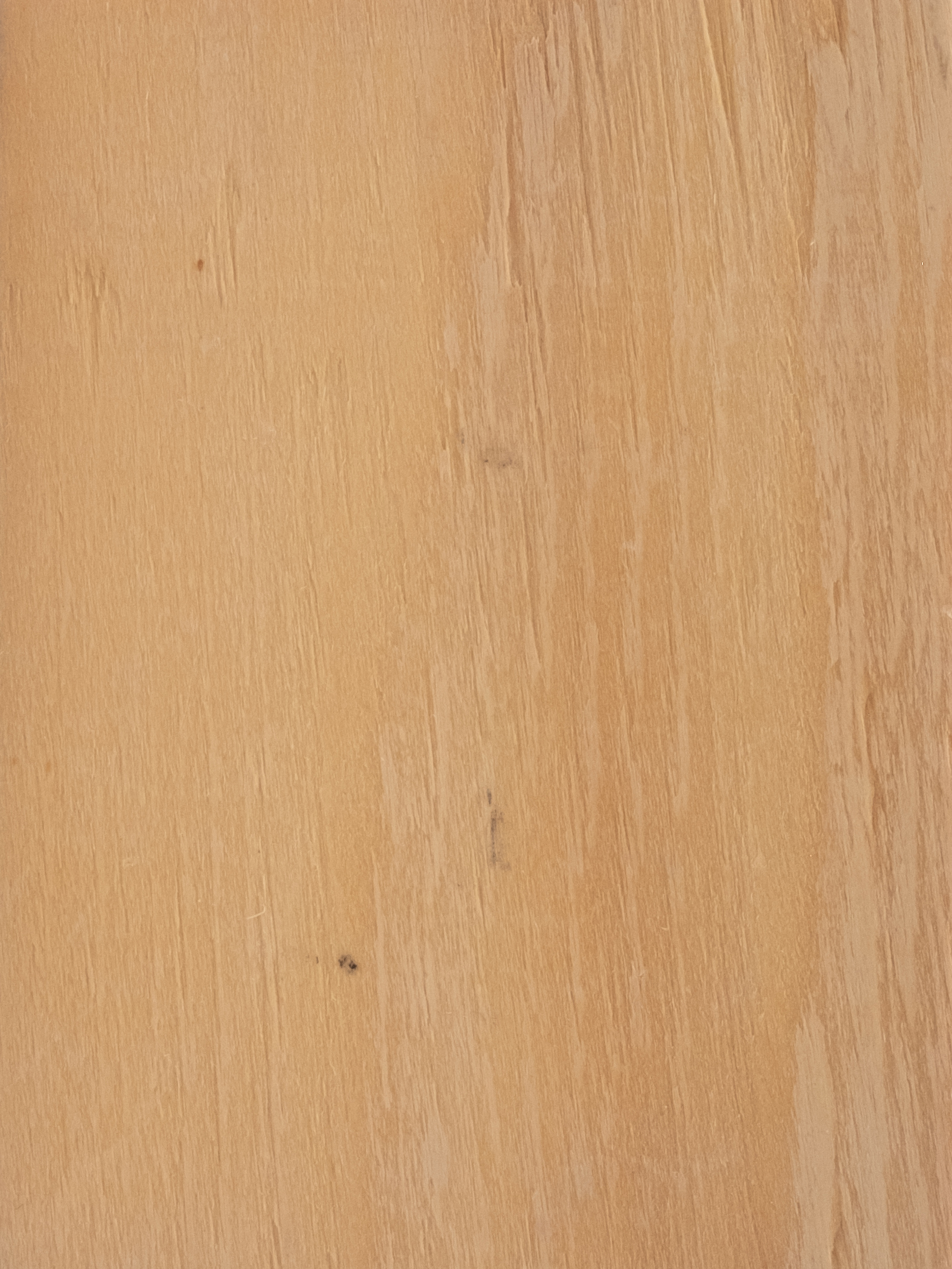
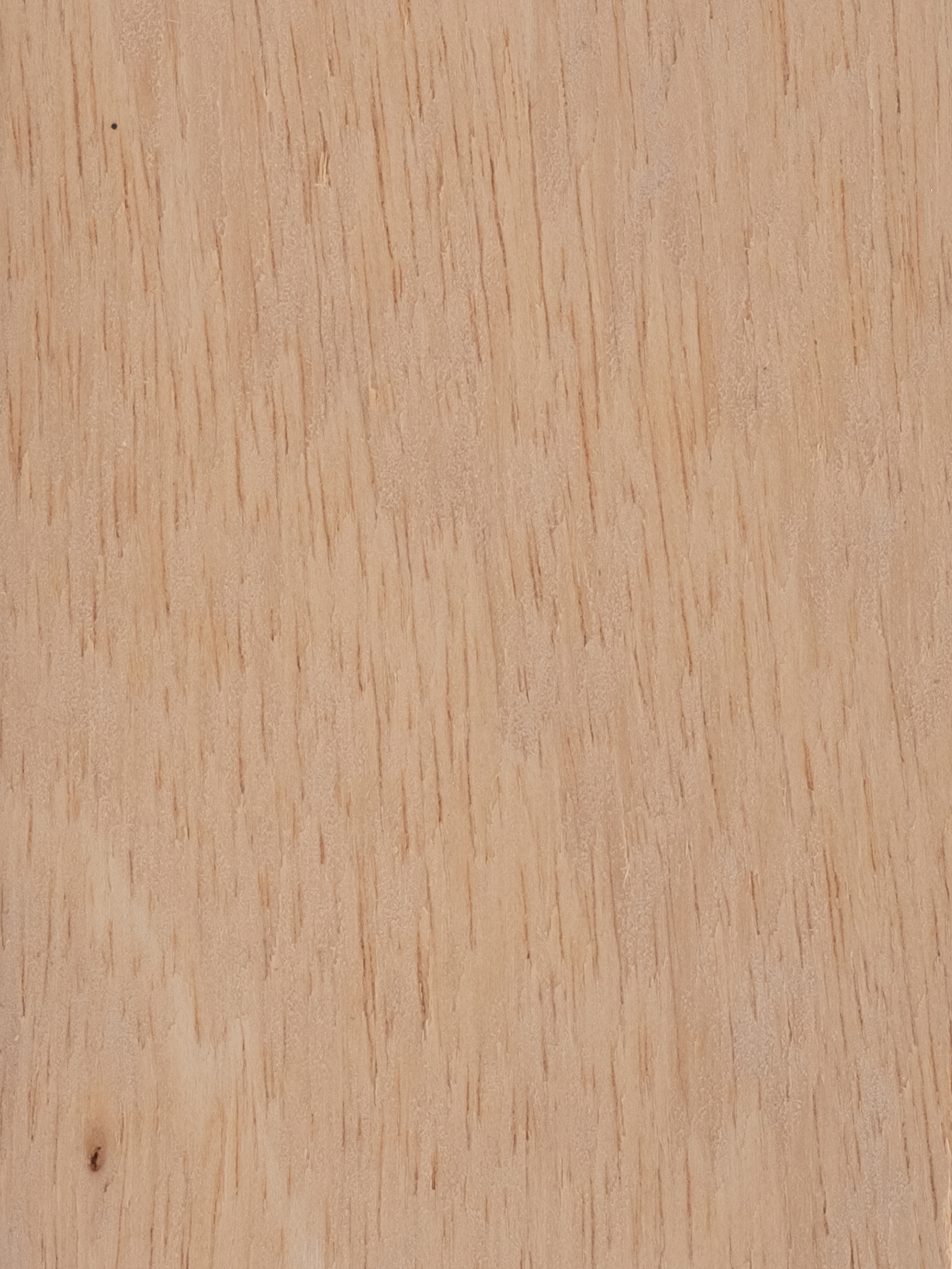
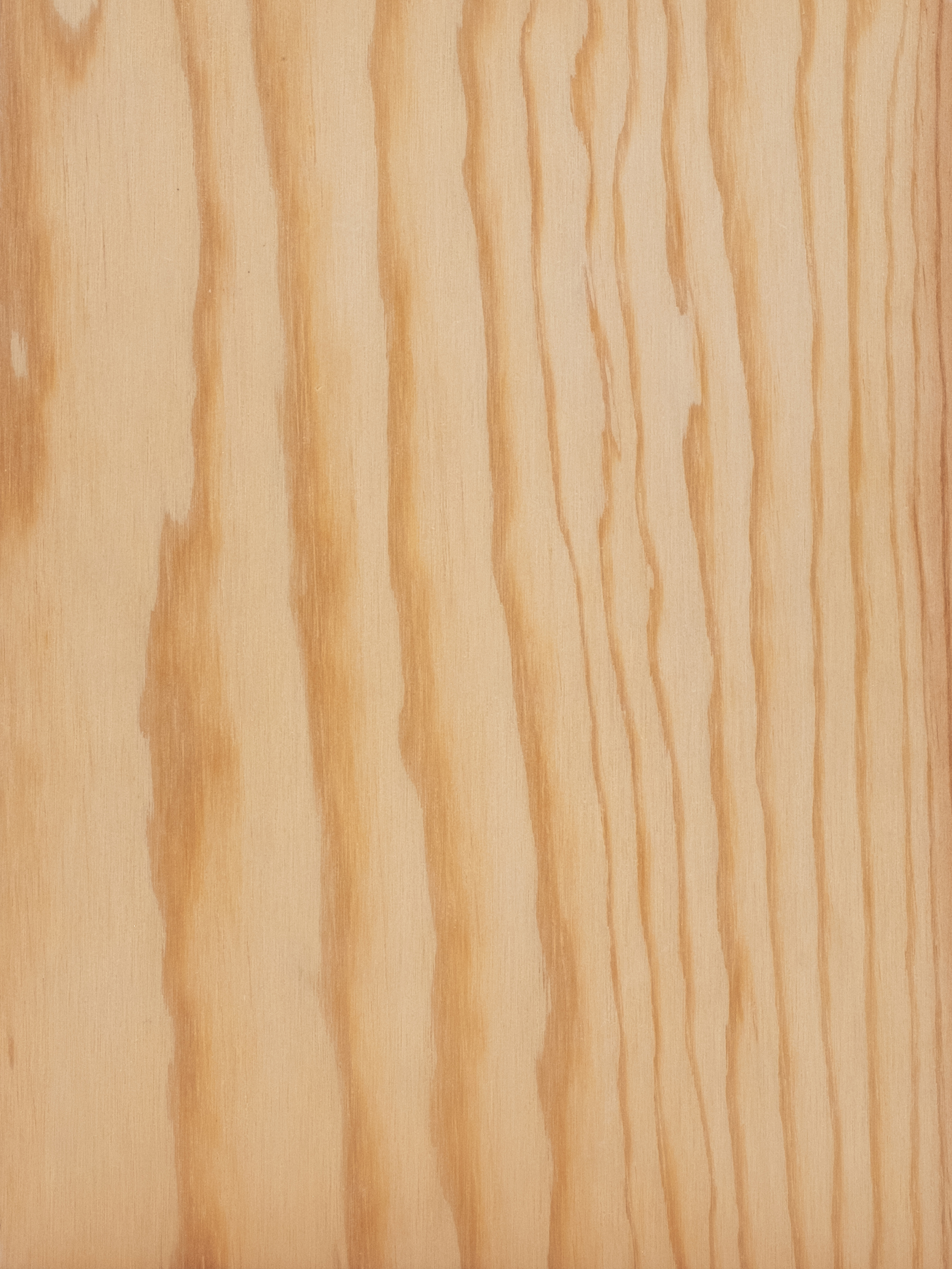
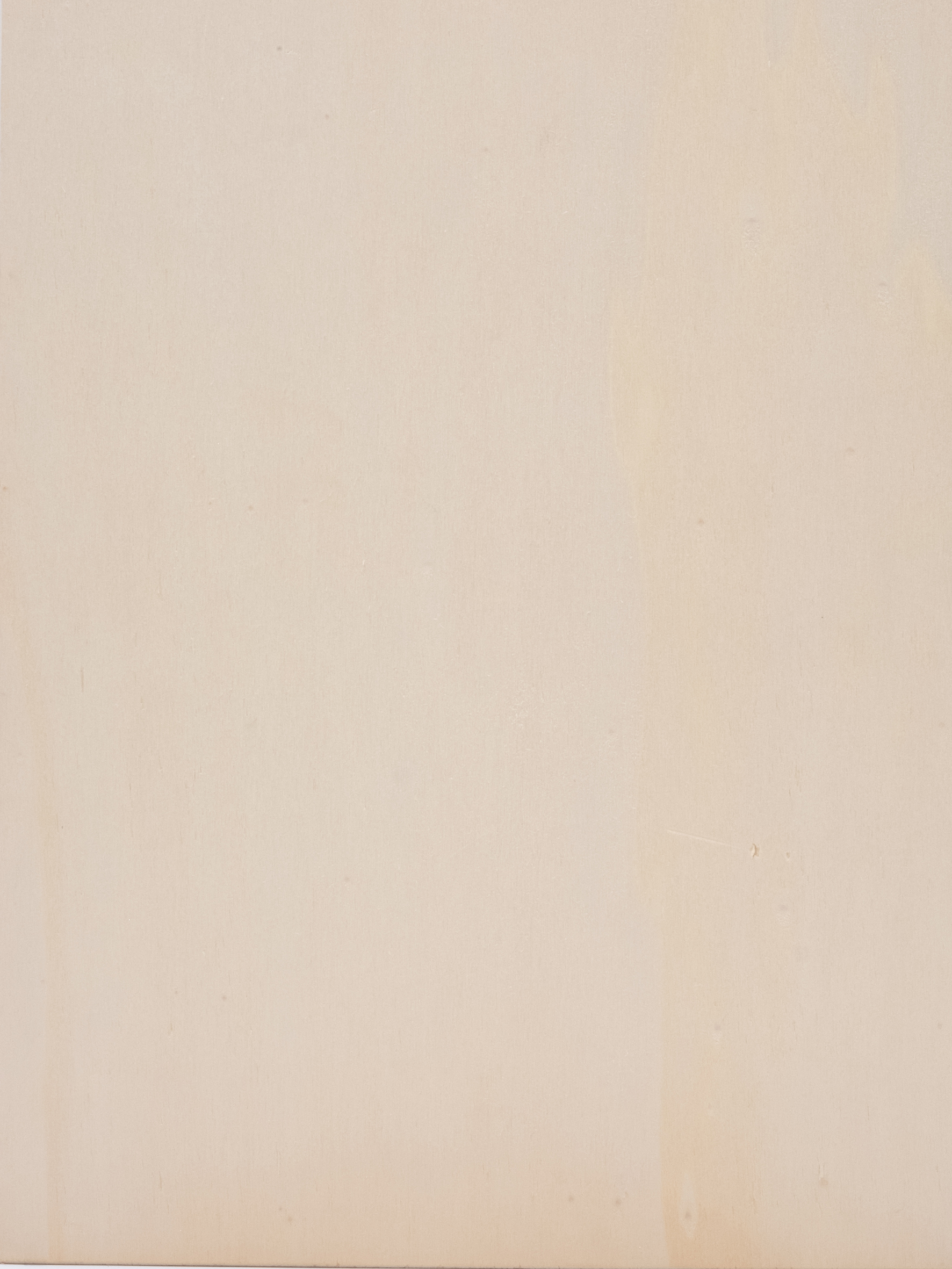
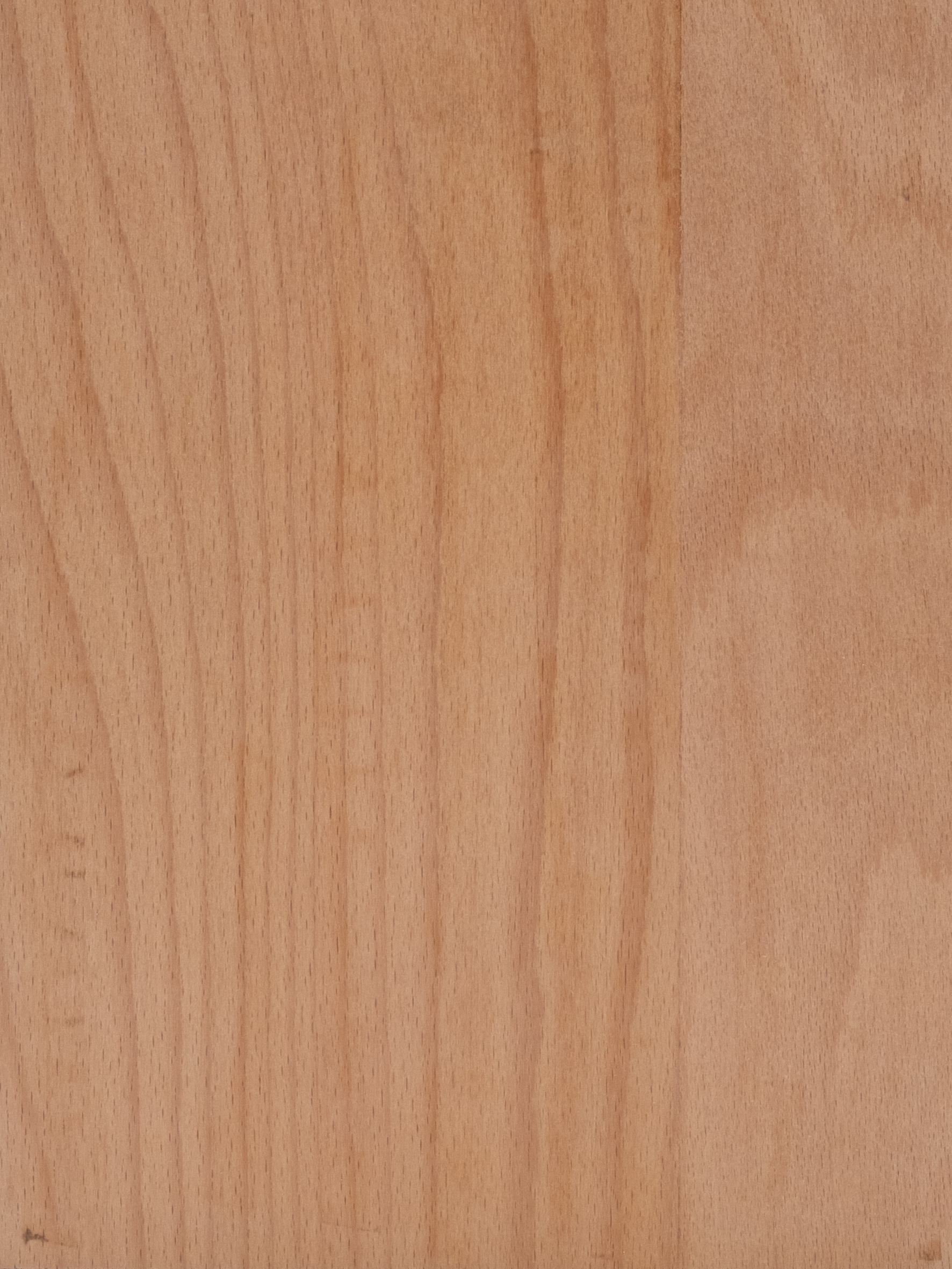
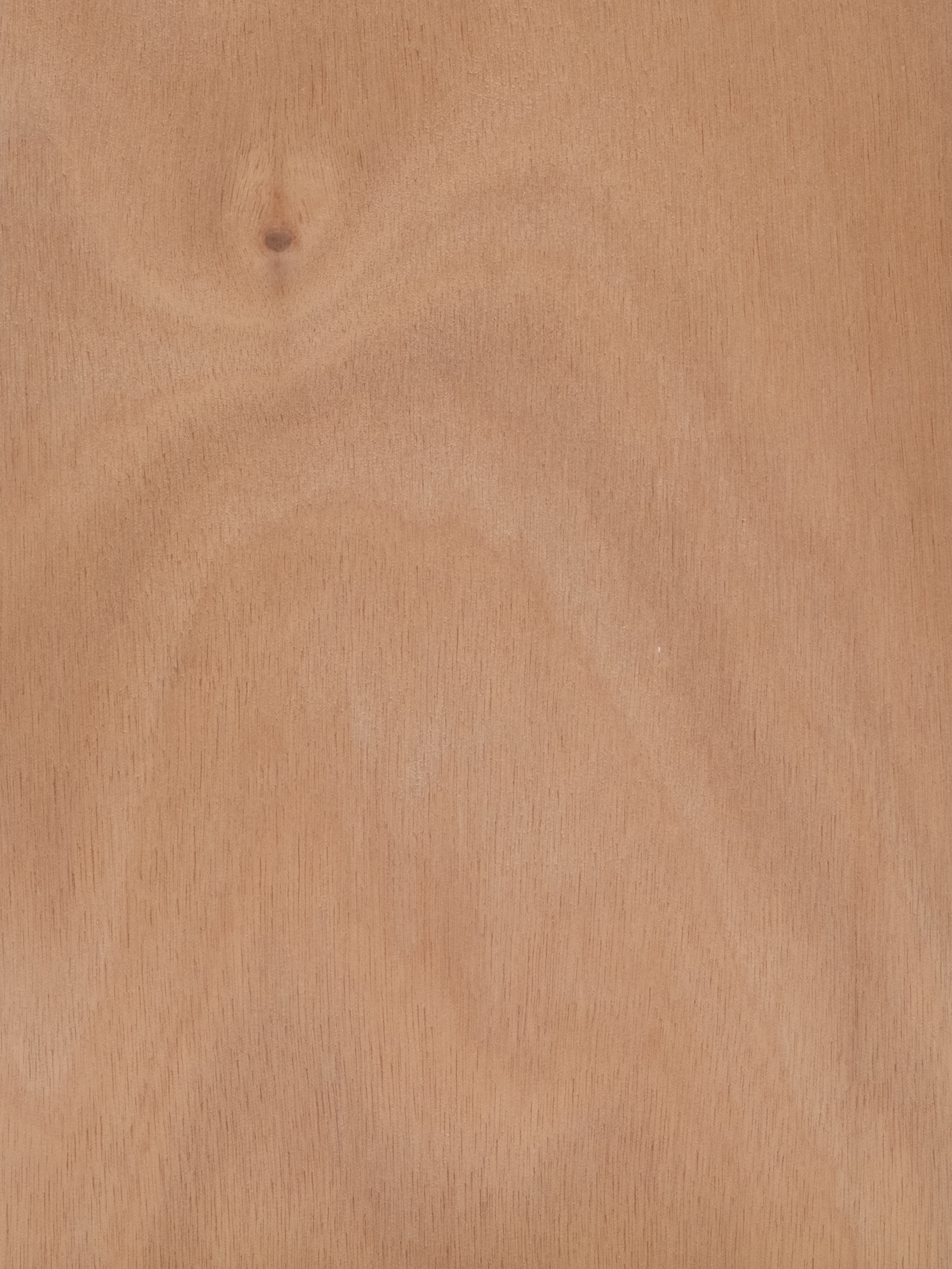
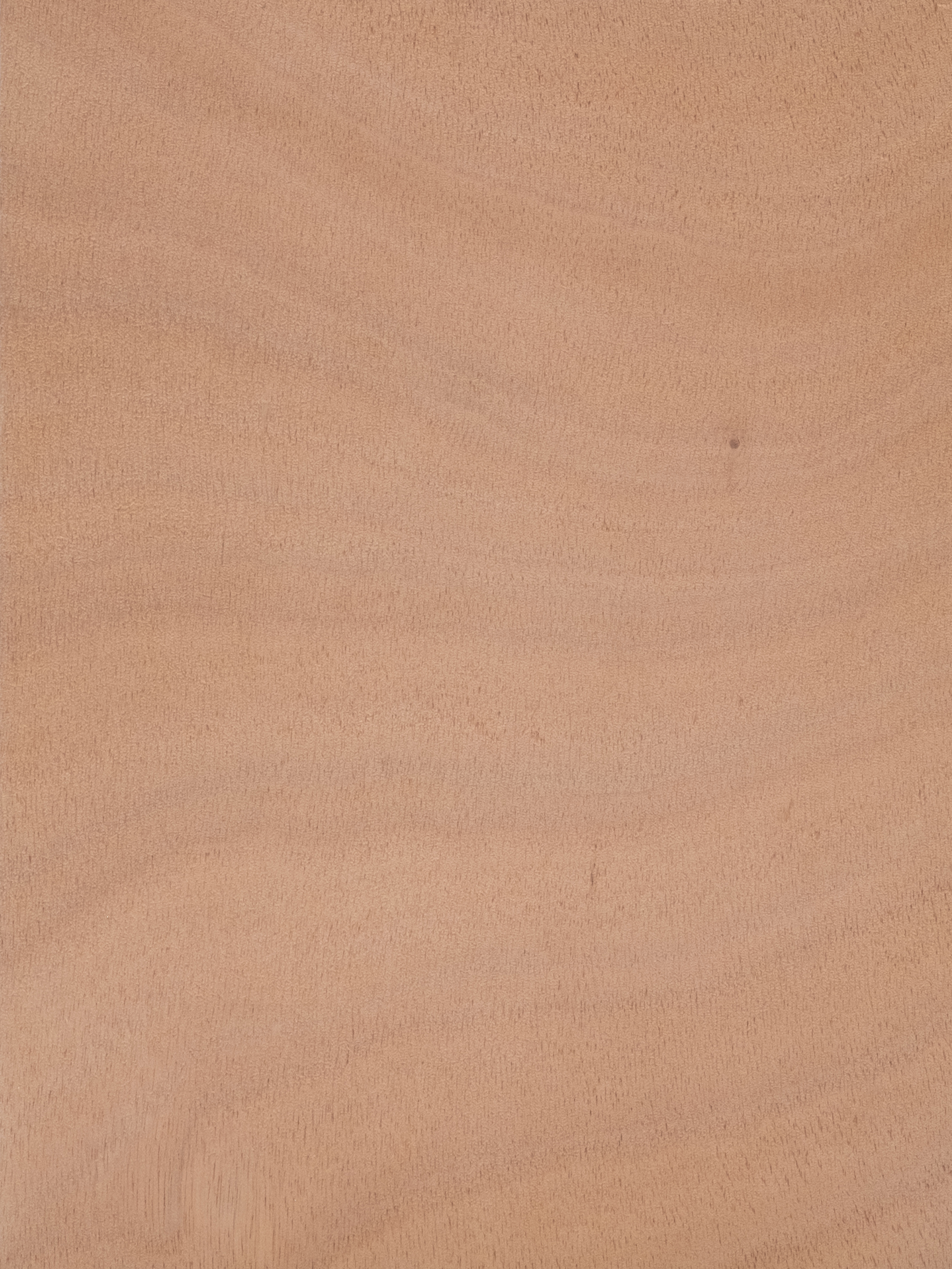
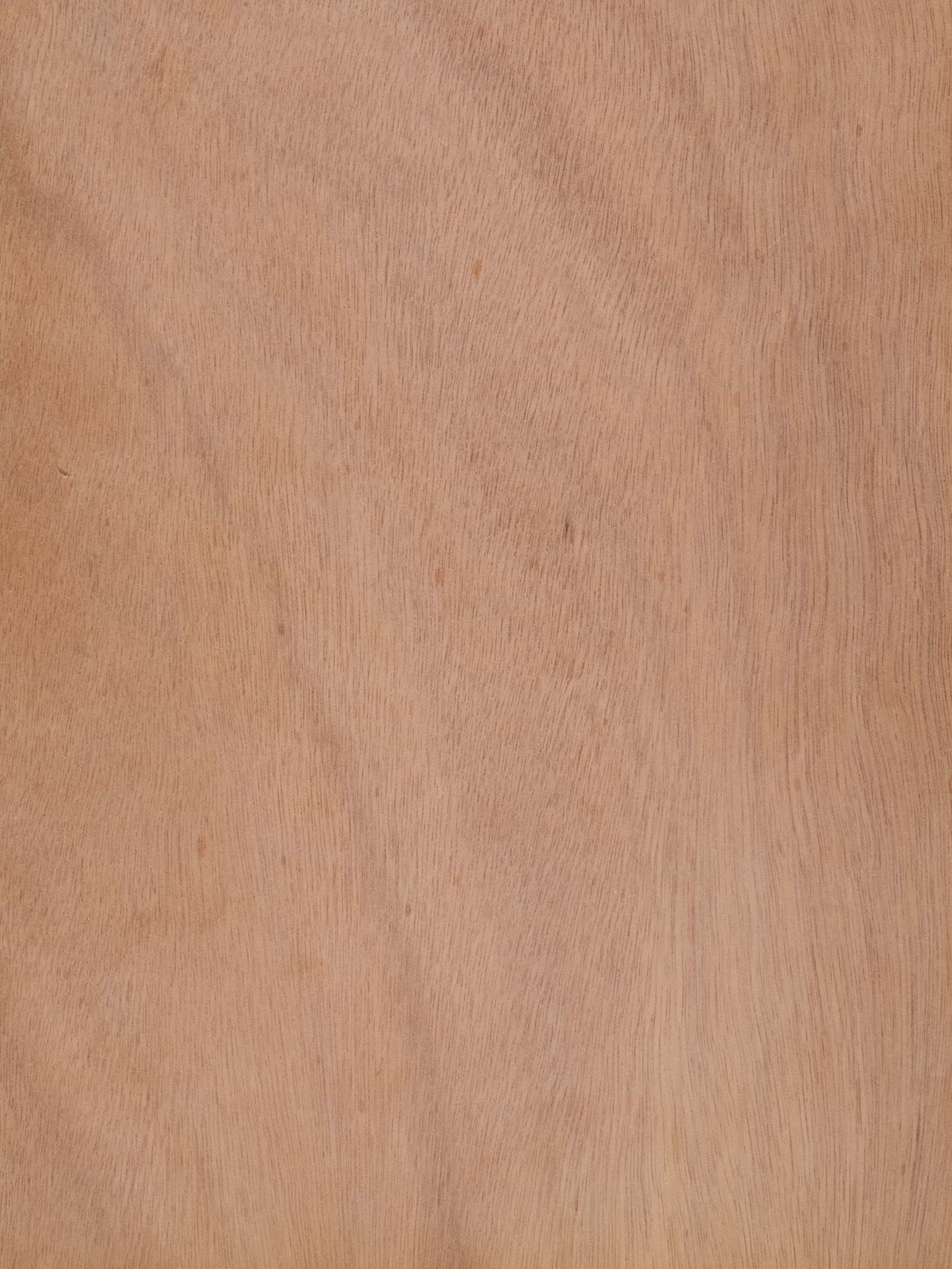
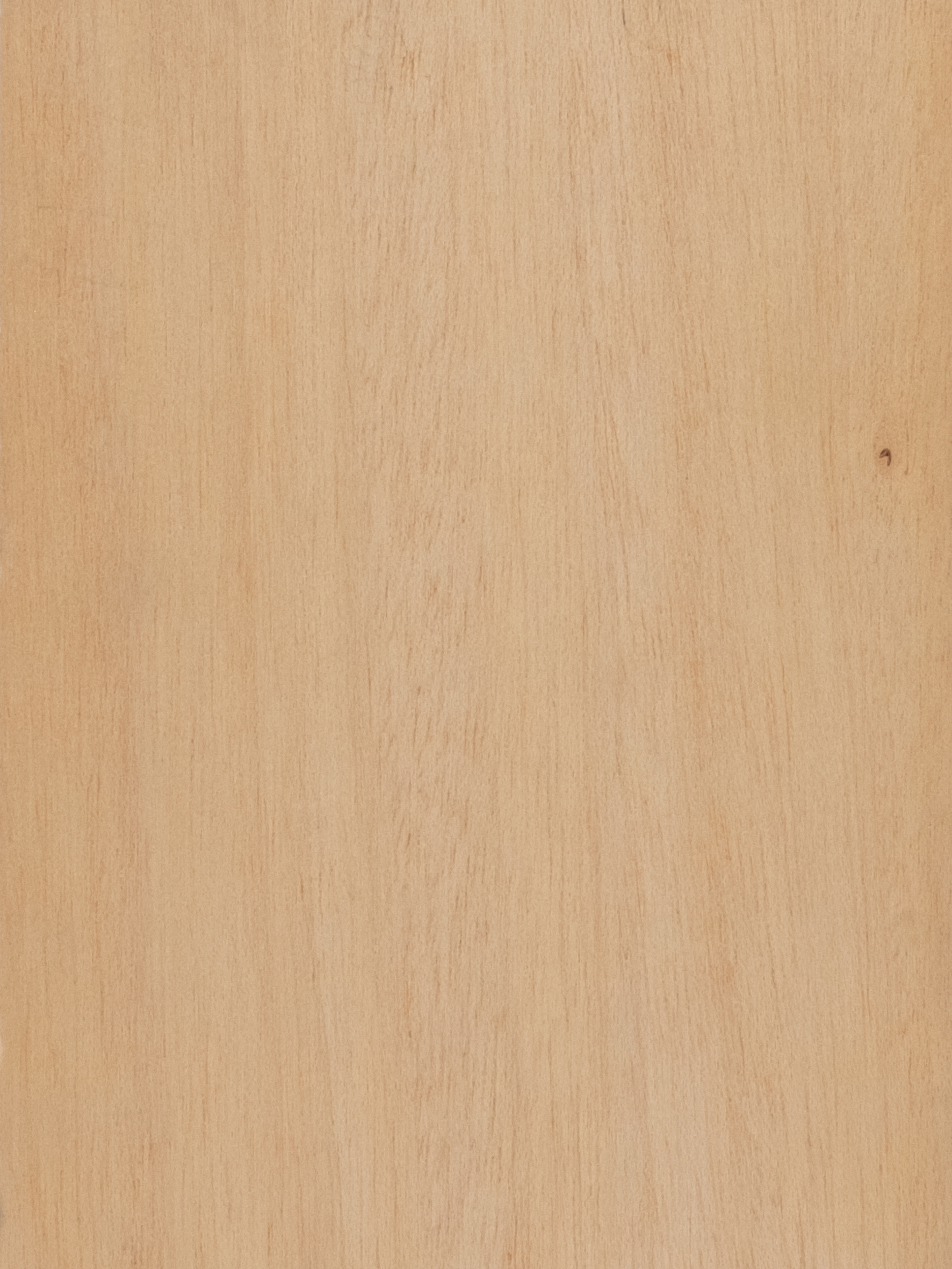
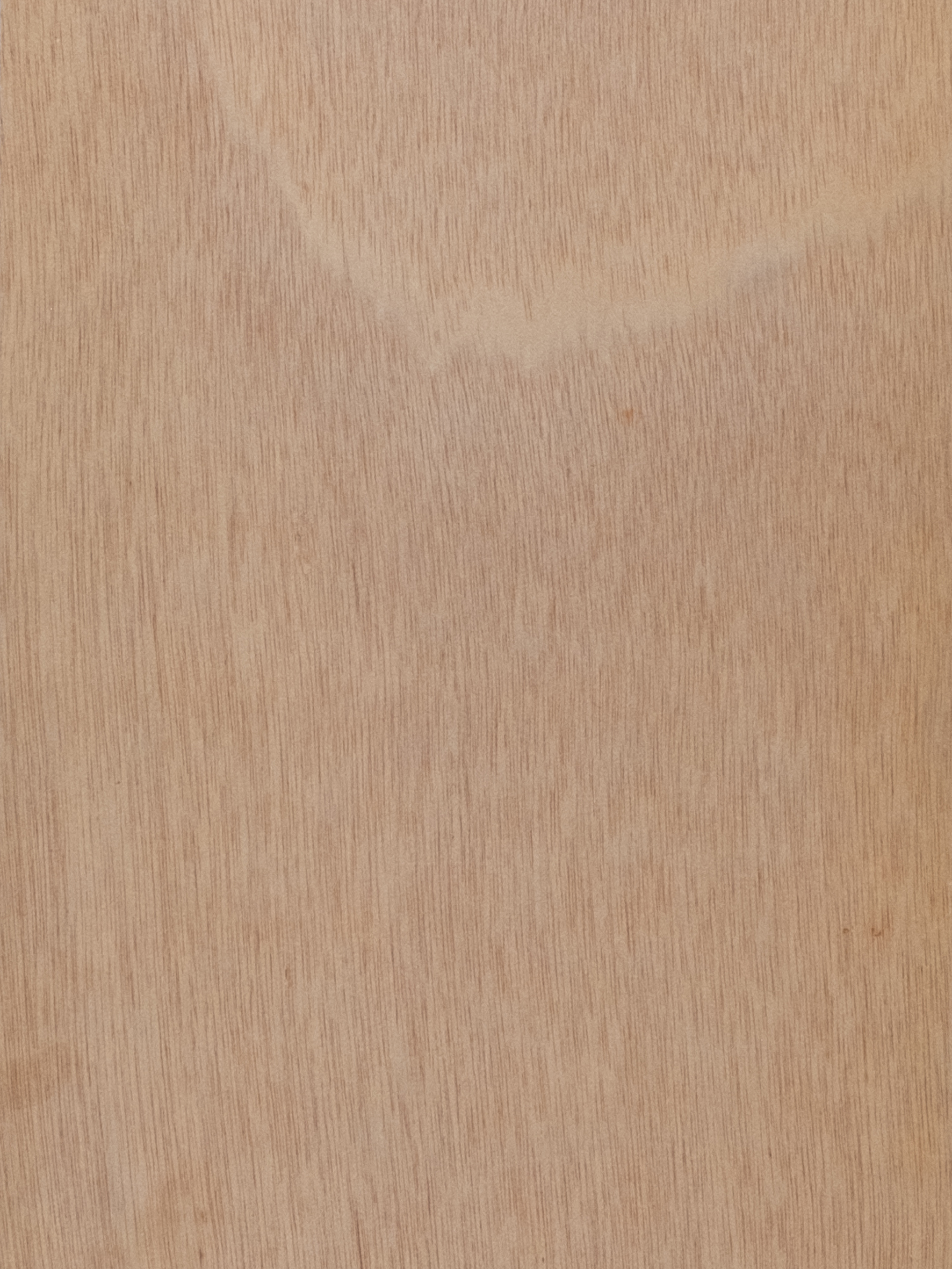
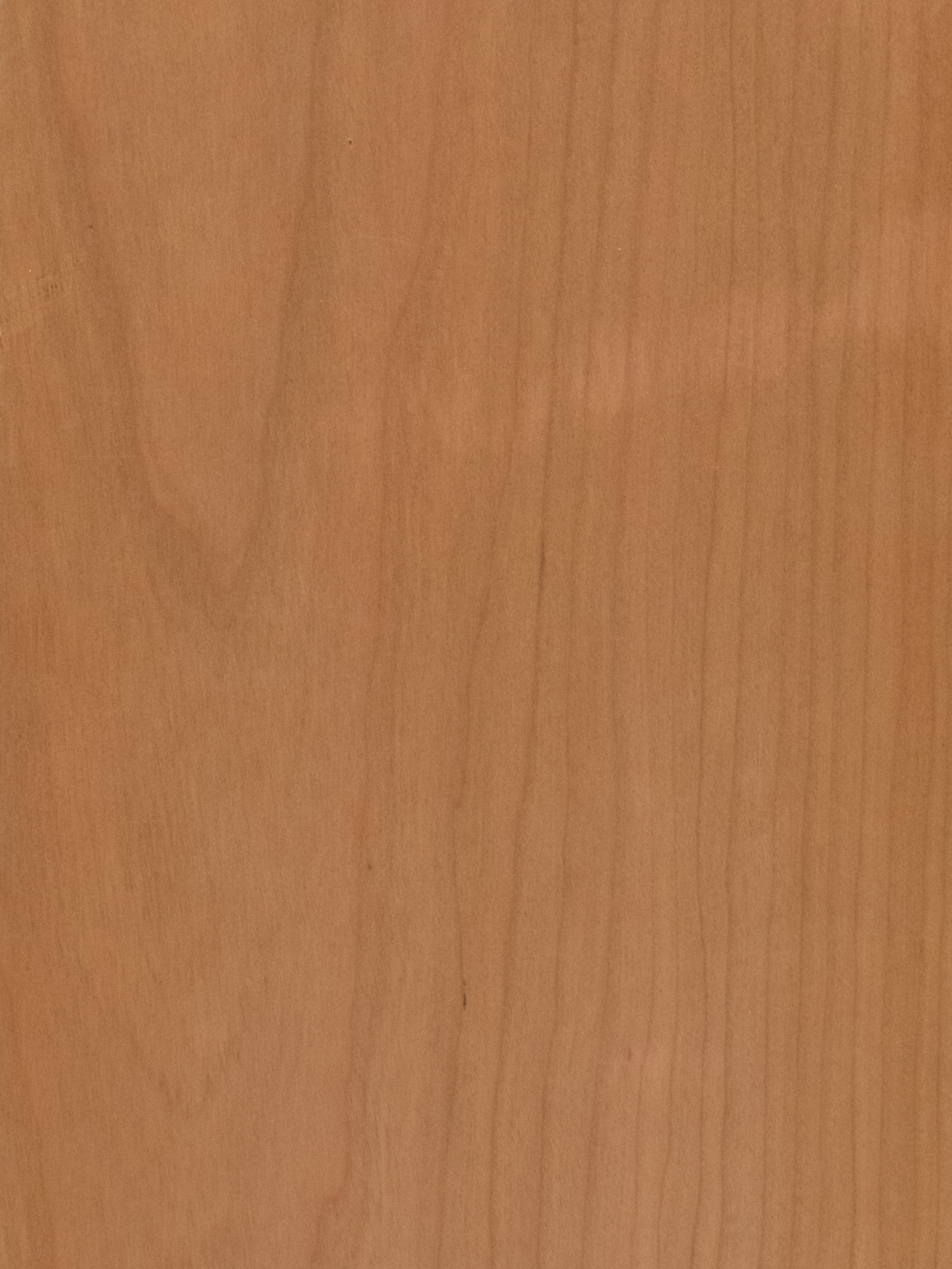
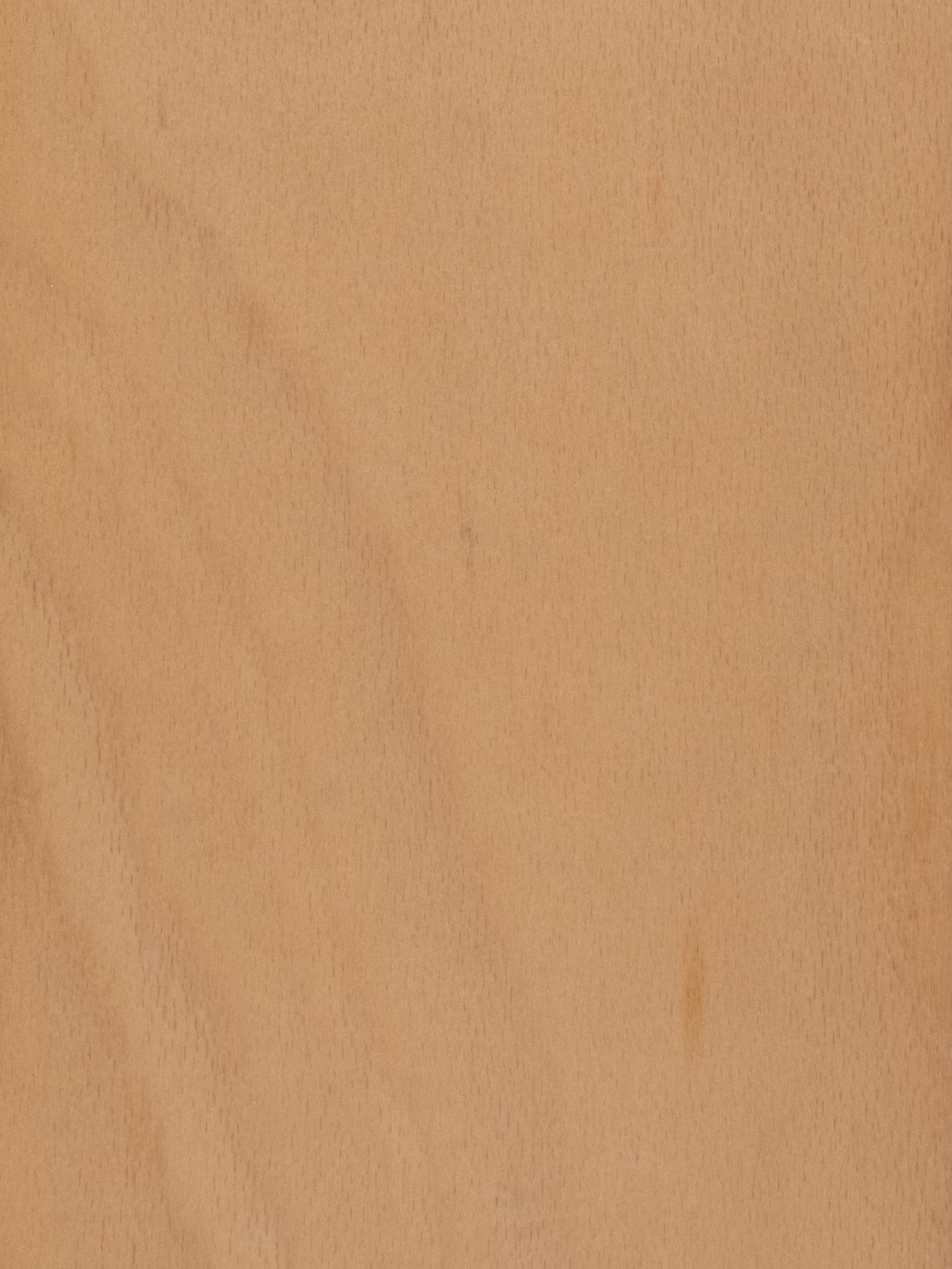
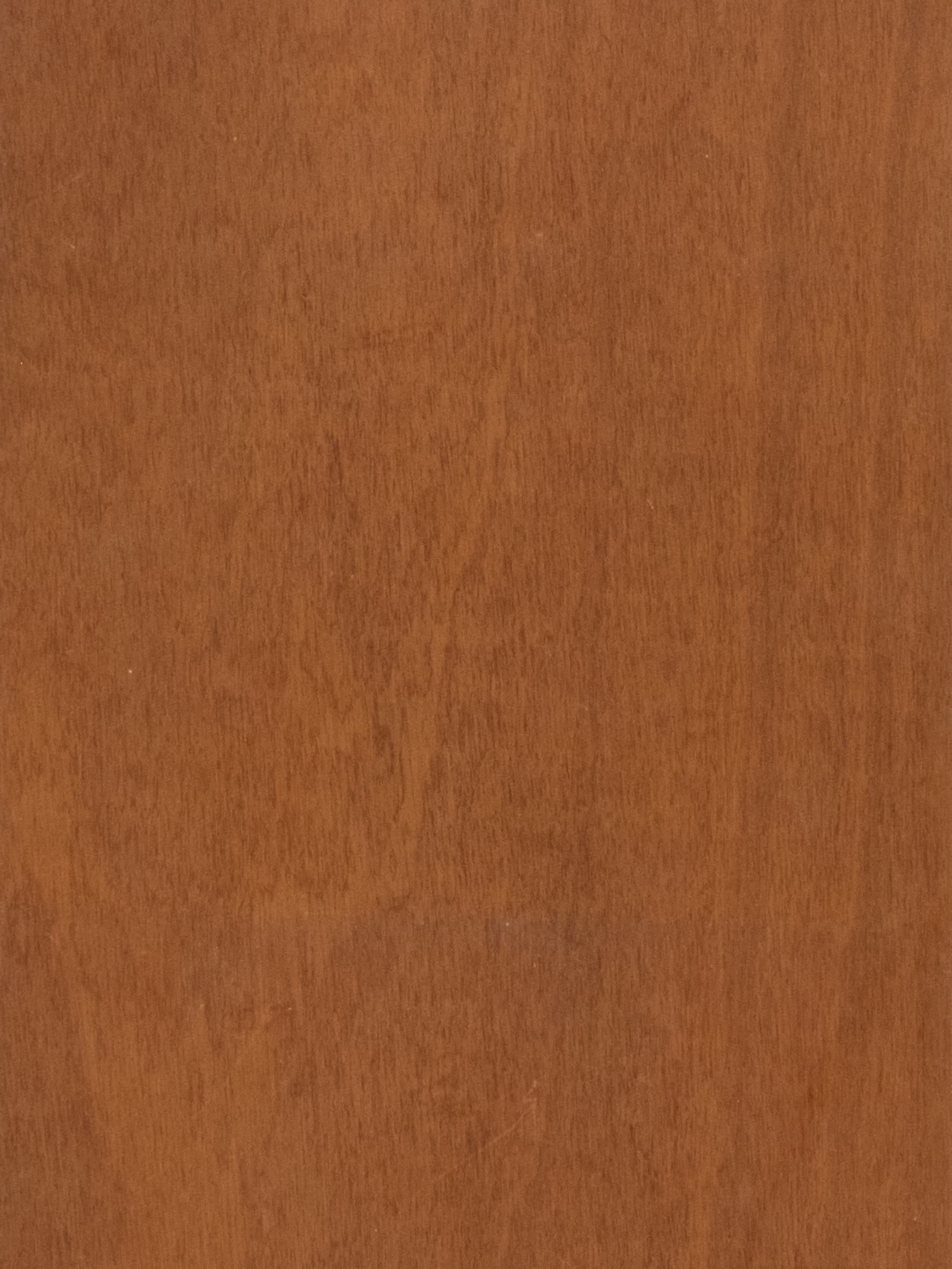
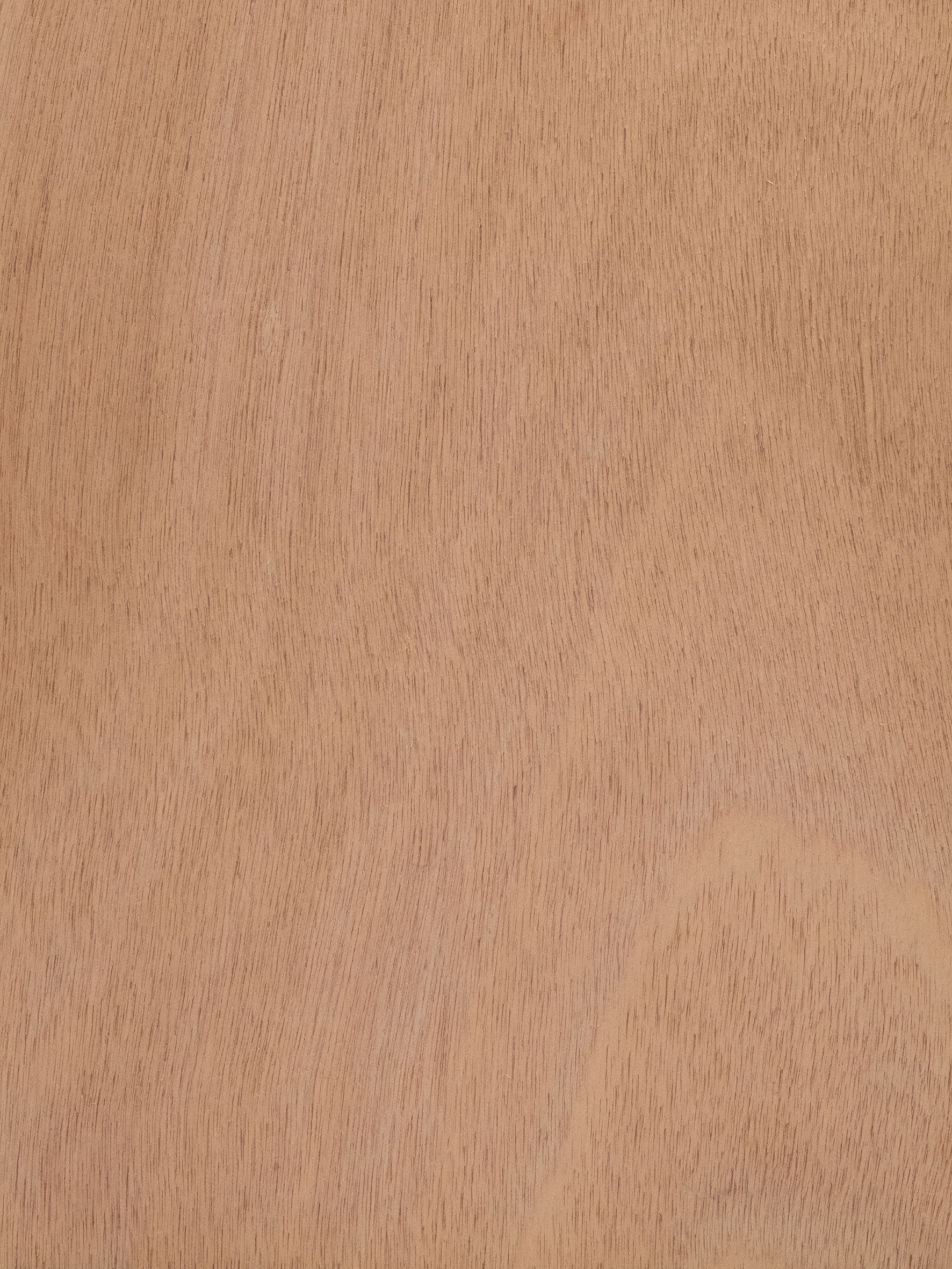
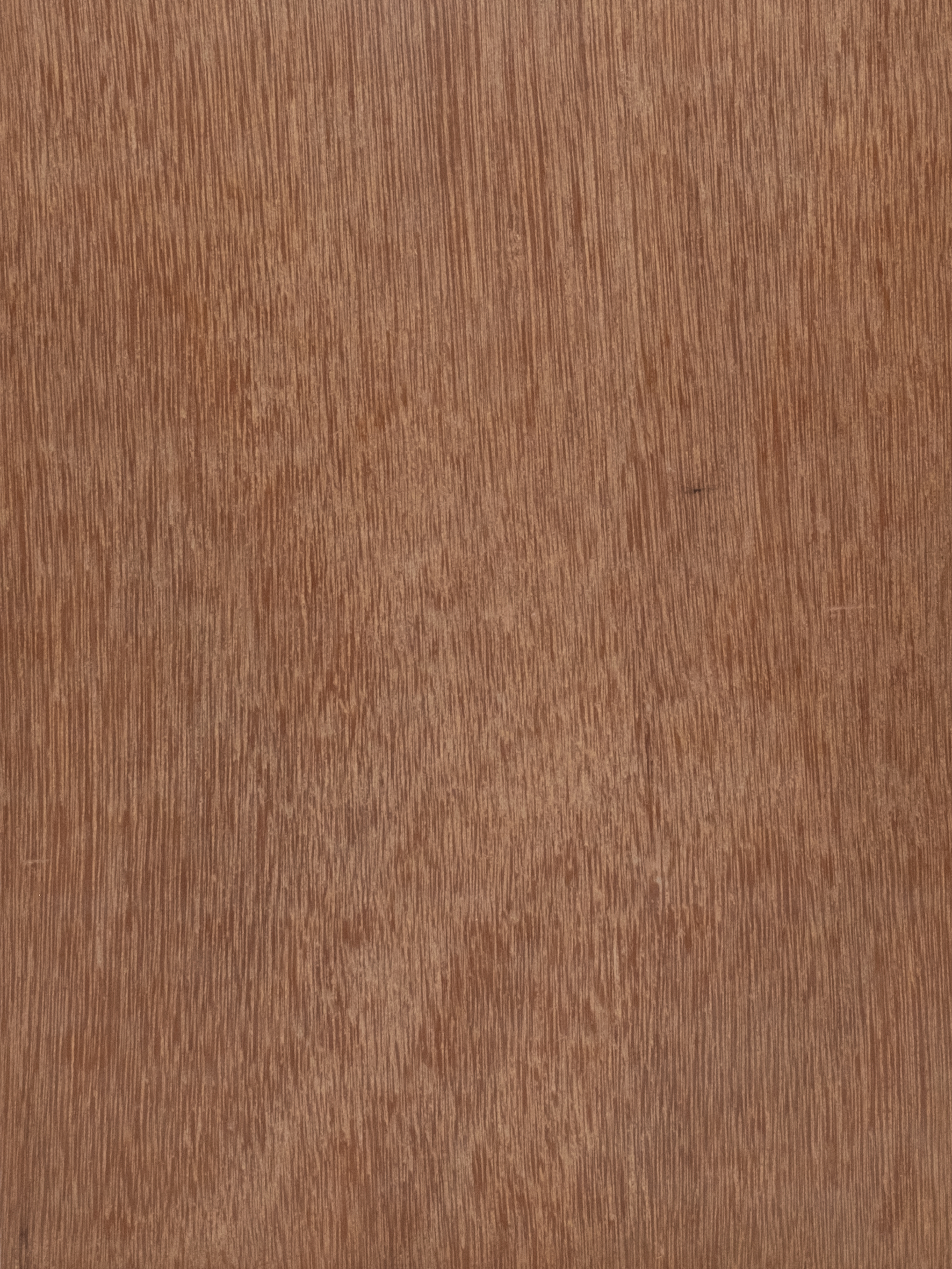
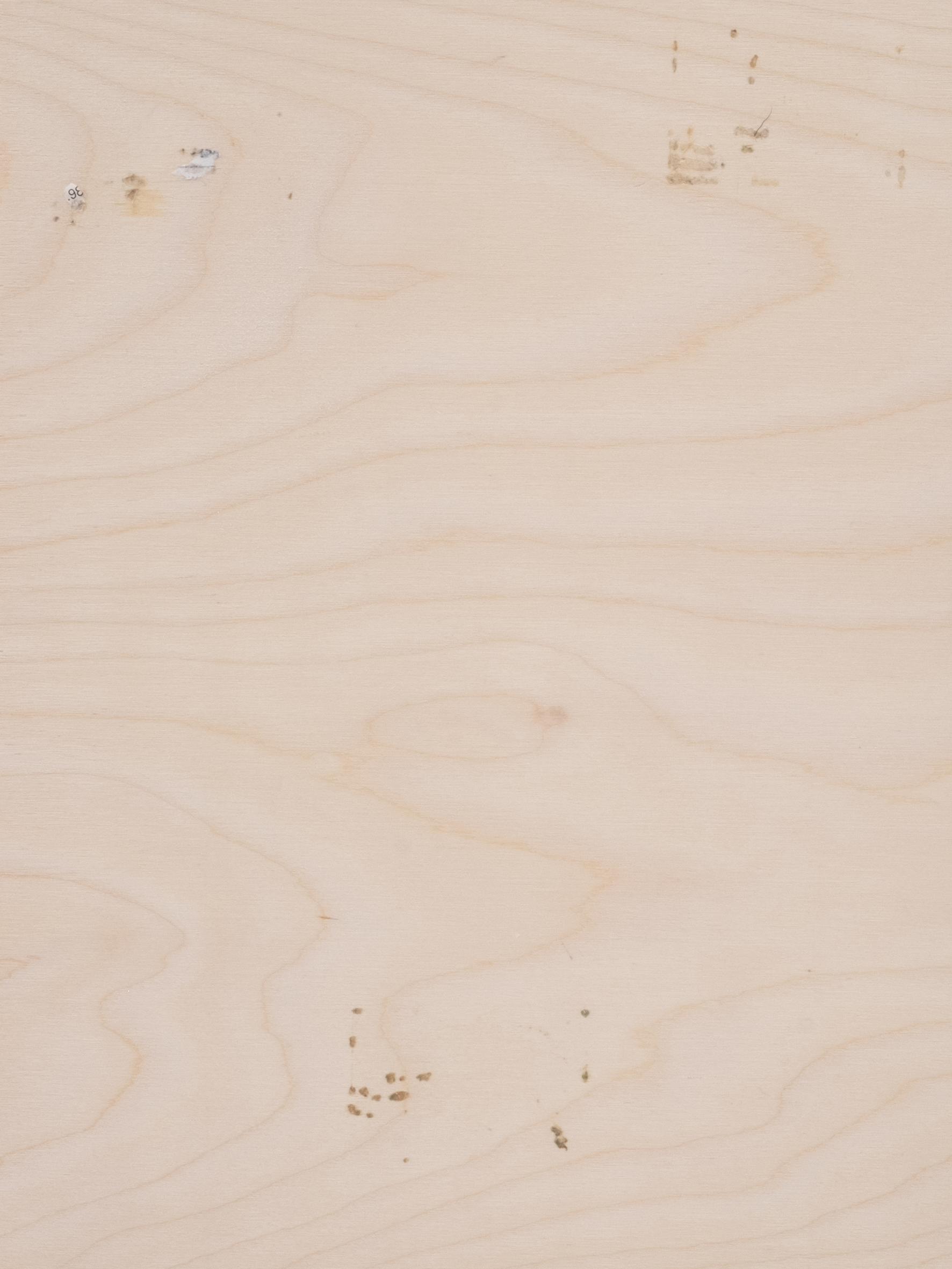
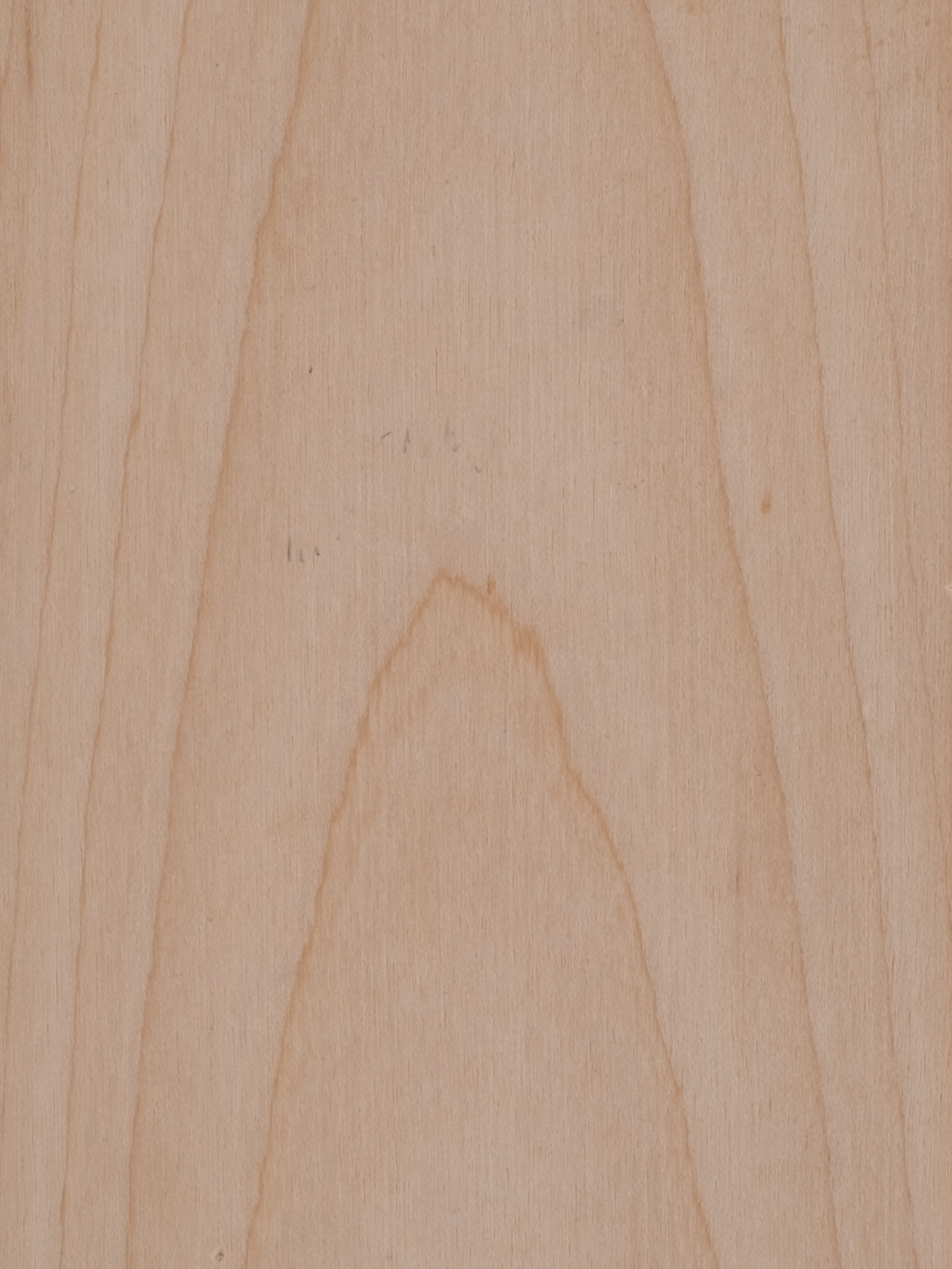
Multilayer plywood is a wood-based material obtained by stacking and gluing together at least three thin sheets of veneer. These layers, called veneers, are arranged in odd numbers and oriented alternately at 90° to each other — a technique known as cross-lamination — which serves to counteract the natural movements of wood, such as shrinkage or swelling.
This construction system gives plywood considerable dimensional stability, making it more stable than solid wood. Its technical properties vary depending on the type of wood used, the arrangement of the layers and the overall thickness of the panel. Another characteristic is the relatively high amount of glue or adhesive required to assemble the layers.
Thanks to its versatility, plywood is used in many industries: it is widely used in the manufacture of furniture and interior fittings, as well as in secondary structural elements. It is also suitable for industrial and technical applications, such as facade cladding, formwork, packaging, play and sports equipment, as well as in the construction of vehicles, boats and even aircraft.
The main source of the description
Material-Archiv. (2024). Furniersperrholz. Material-Archiv.
Other Sources
Natterer, J., Volz, M., Volz, M., & Herzog, T. (2001). Atlante del legno ([rist.]). UTET.