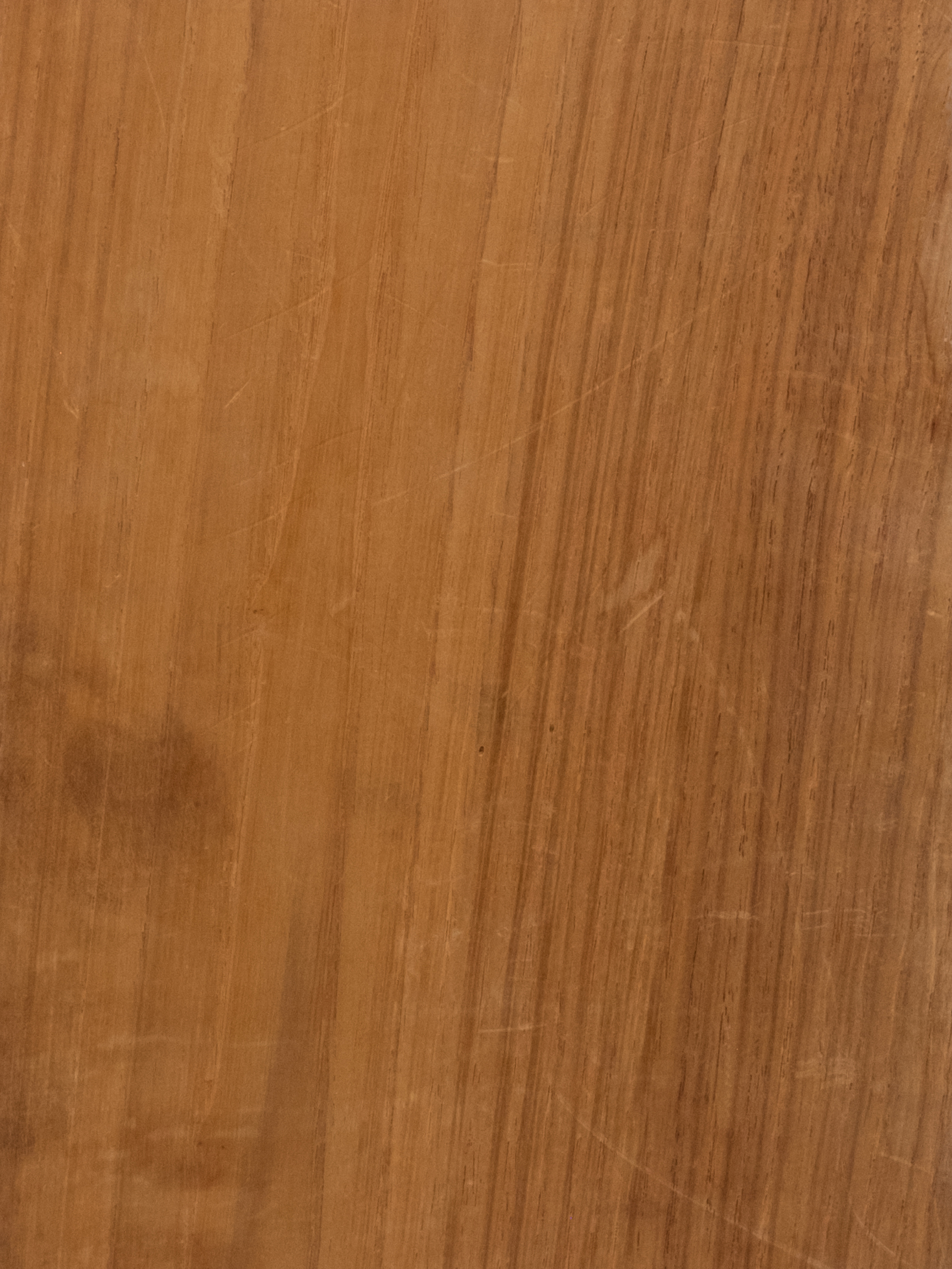
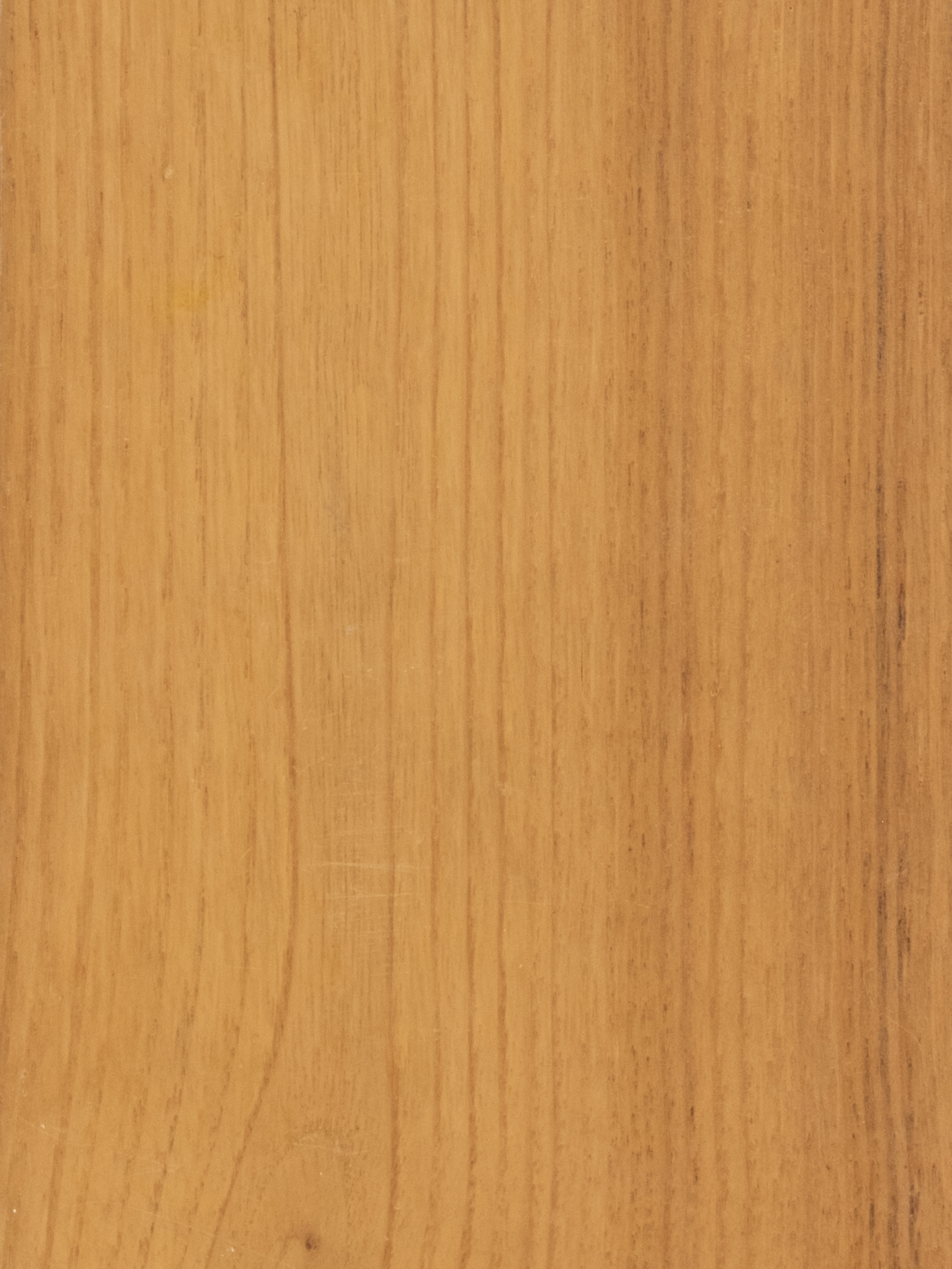
Chestnut wood is valued for its strength and durability, qualities that make it comparable to oak. It is particularly notable for its high resistance to moisture. Although the tree’s starchy fruits have been a staple food in Mediterranean areas for centuries, the wood has played a more marginal role.
With its shades ranging from brown to grey, chestnut is a robust wood, suitable for both dry and humid or submerged environments. Its trade is particularly developed in Mediterranean areas, where it is valued for its combination of hardness and strength.
Thanks to its natural ability to withstand atmospheric agents, common chestnut wood is often used for outdoor applications, such as the construction of fences and avalanche barriers. It also has important uses in shipbuilding and hydraulic engineering. In crafts and carpentry, it is used to make door frames, thresholds, window frames, seats and veneer coverings for interior furnishings.
The main source of the description and characteristic values
Material-Archiv. (2023). Edelkastanie. Material-Archiv.
Other sources
Natterer, J., Volz, M., Volz, M., & Herzog, T. (2001). Atlante del legno ([rist.]). UTET.