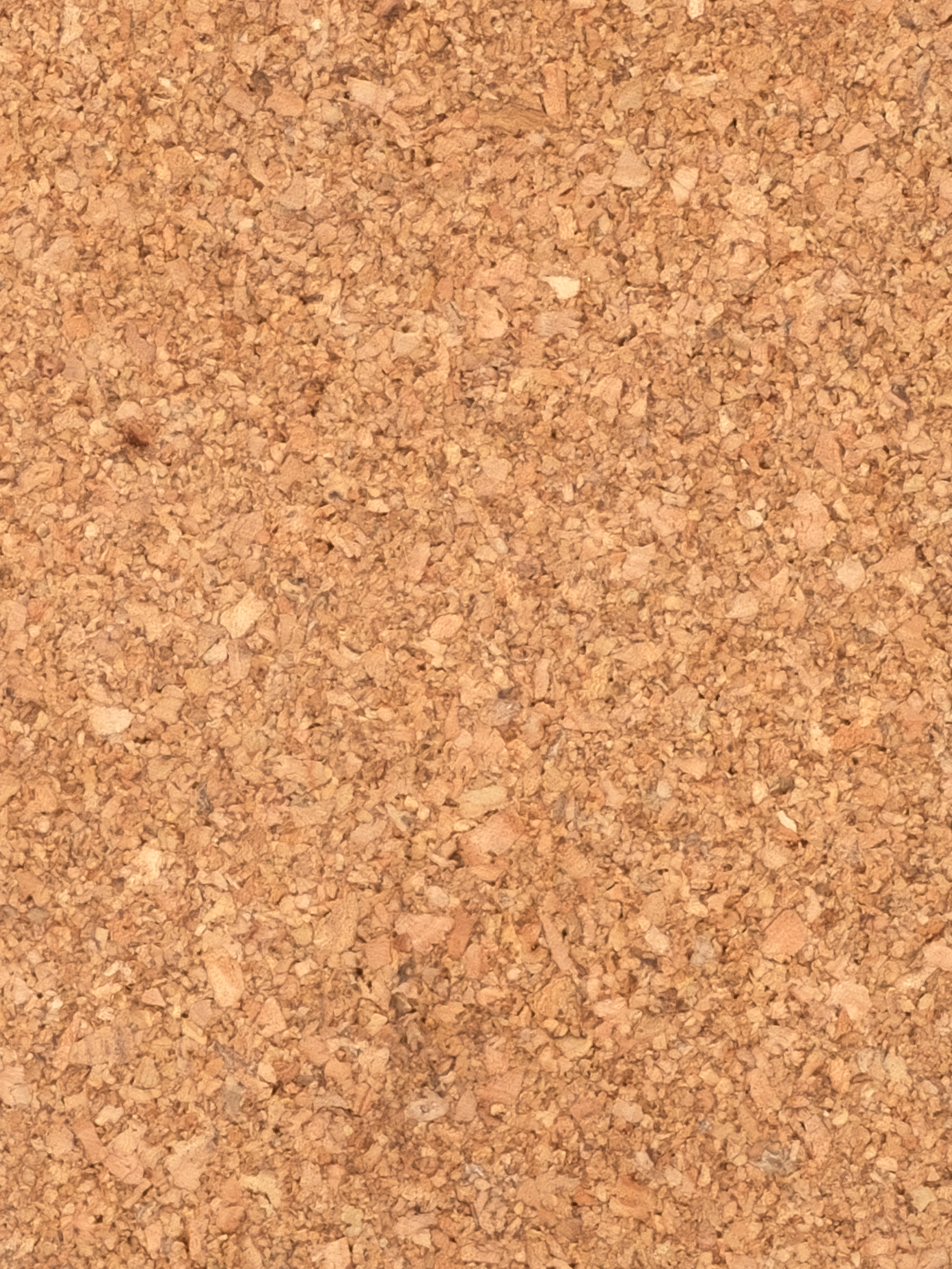
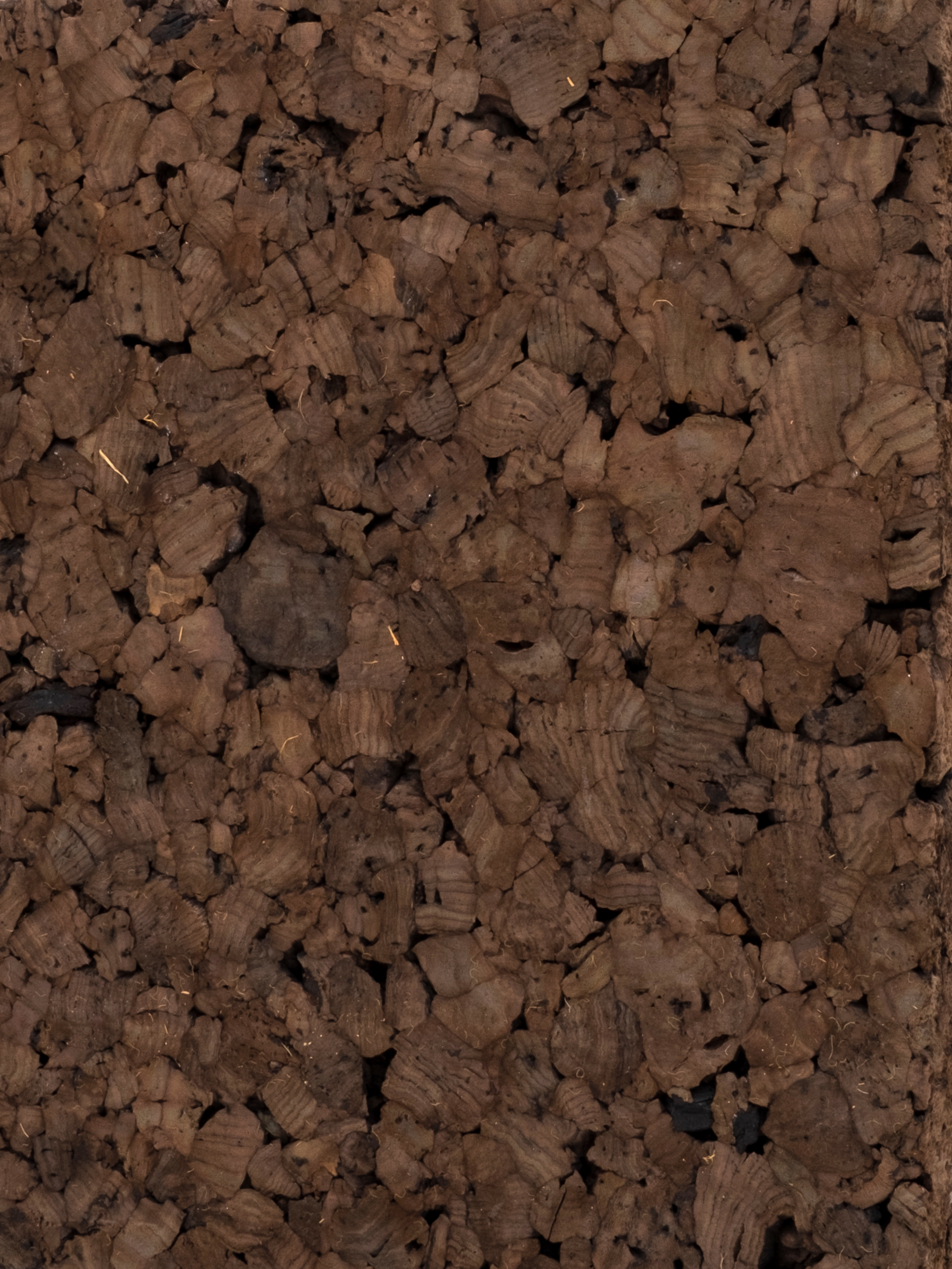
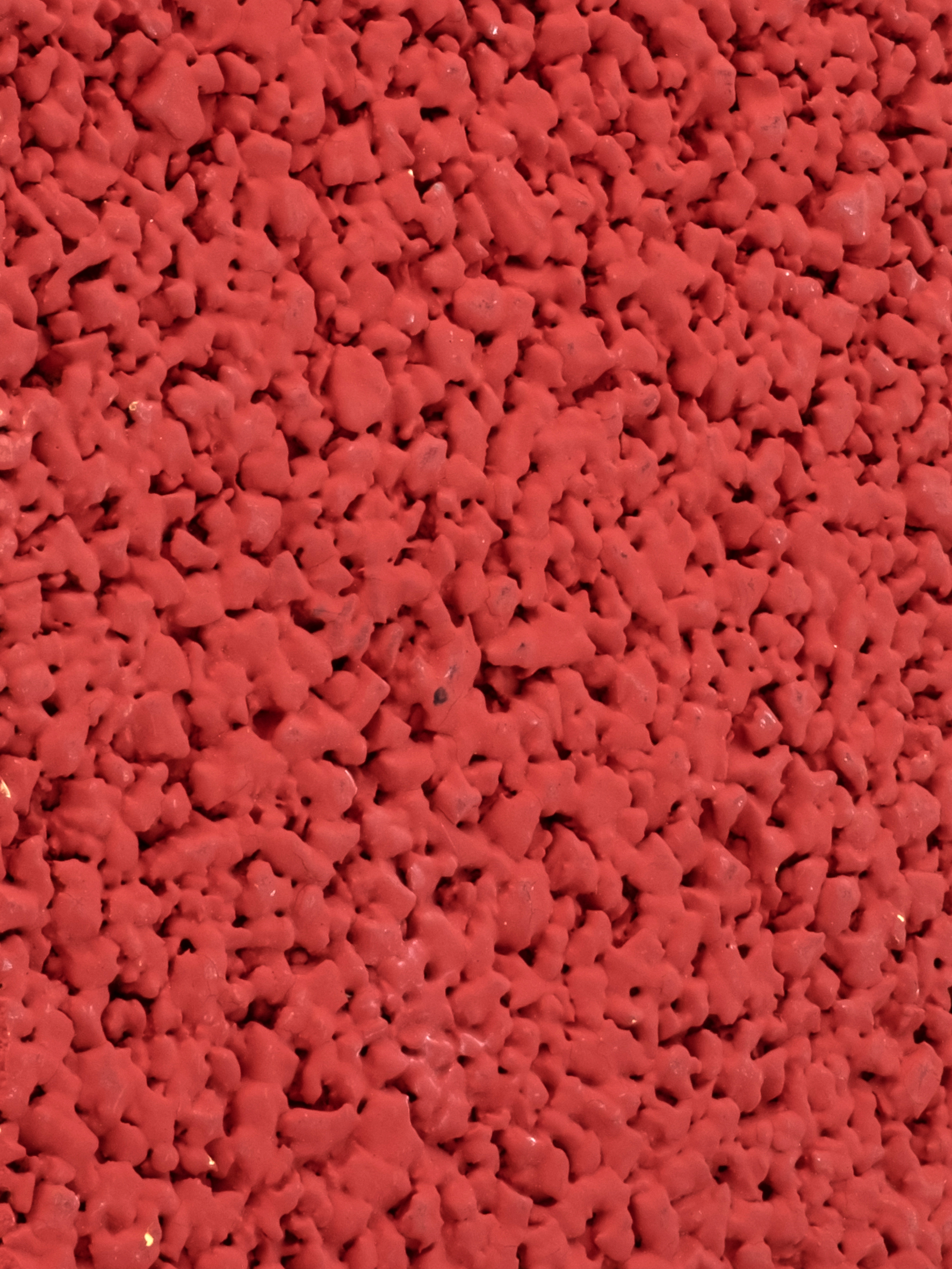
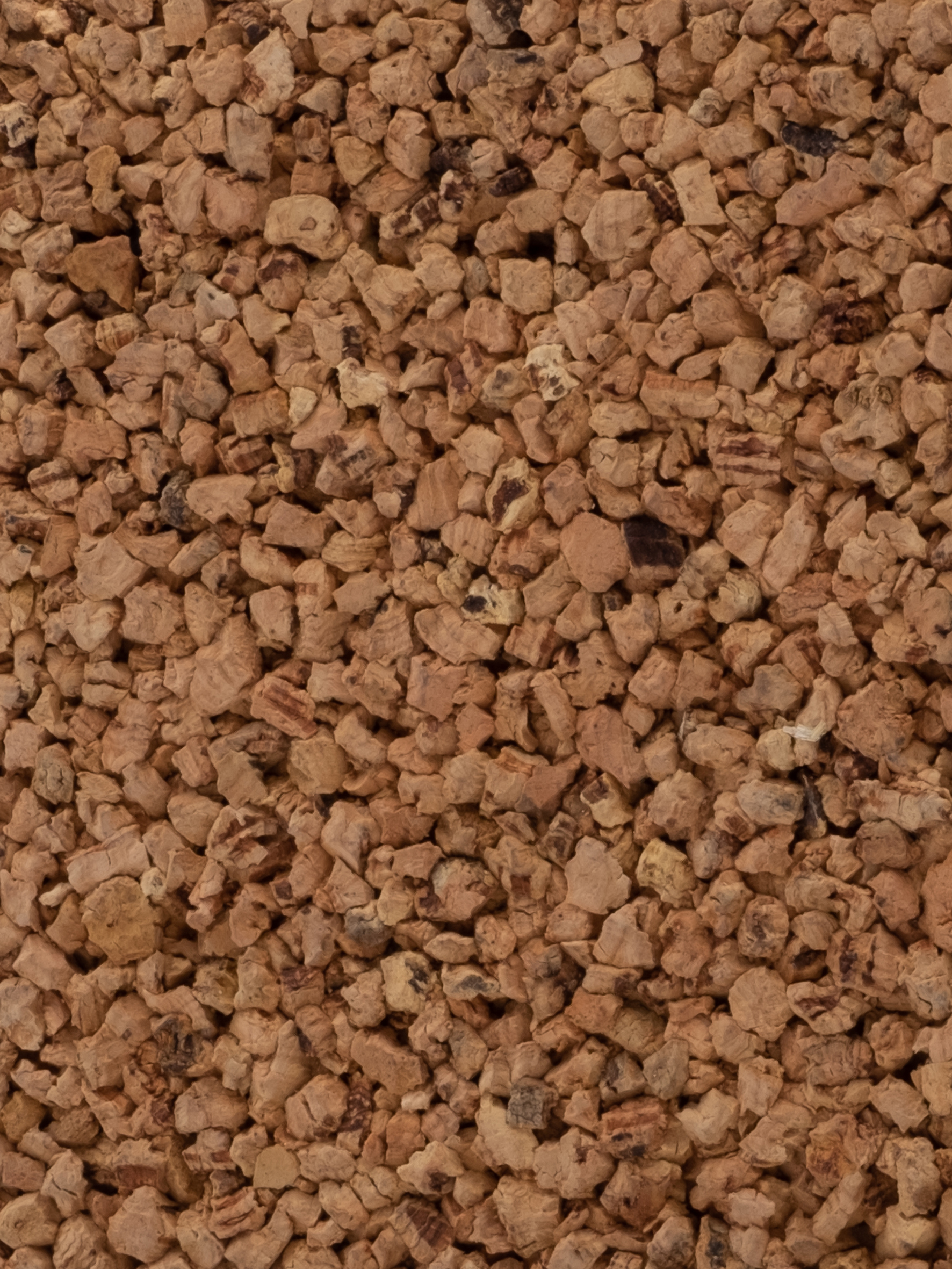
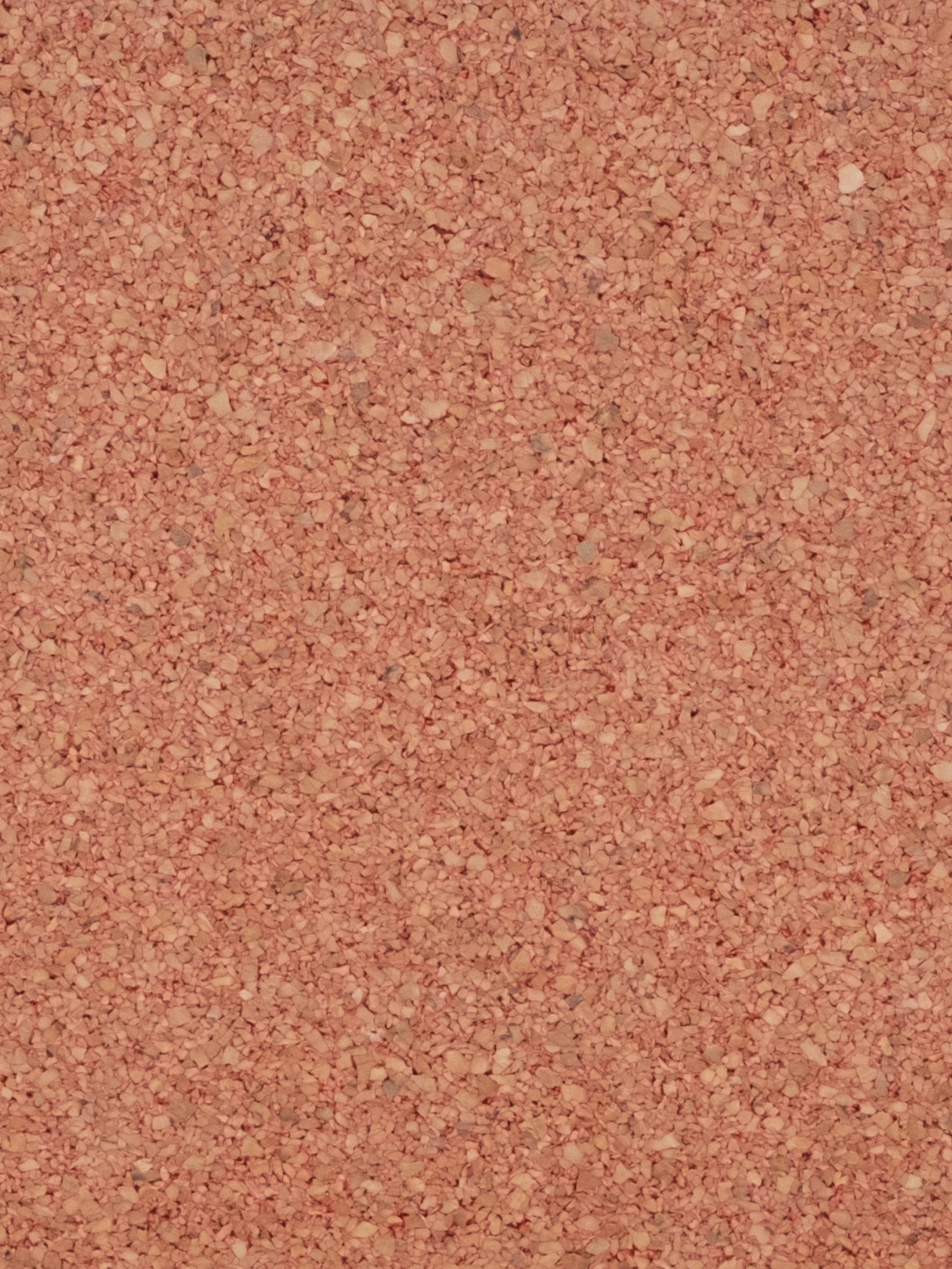
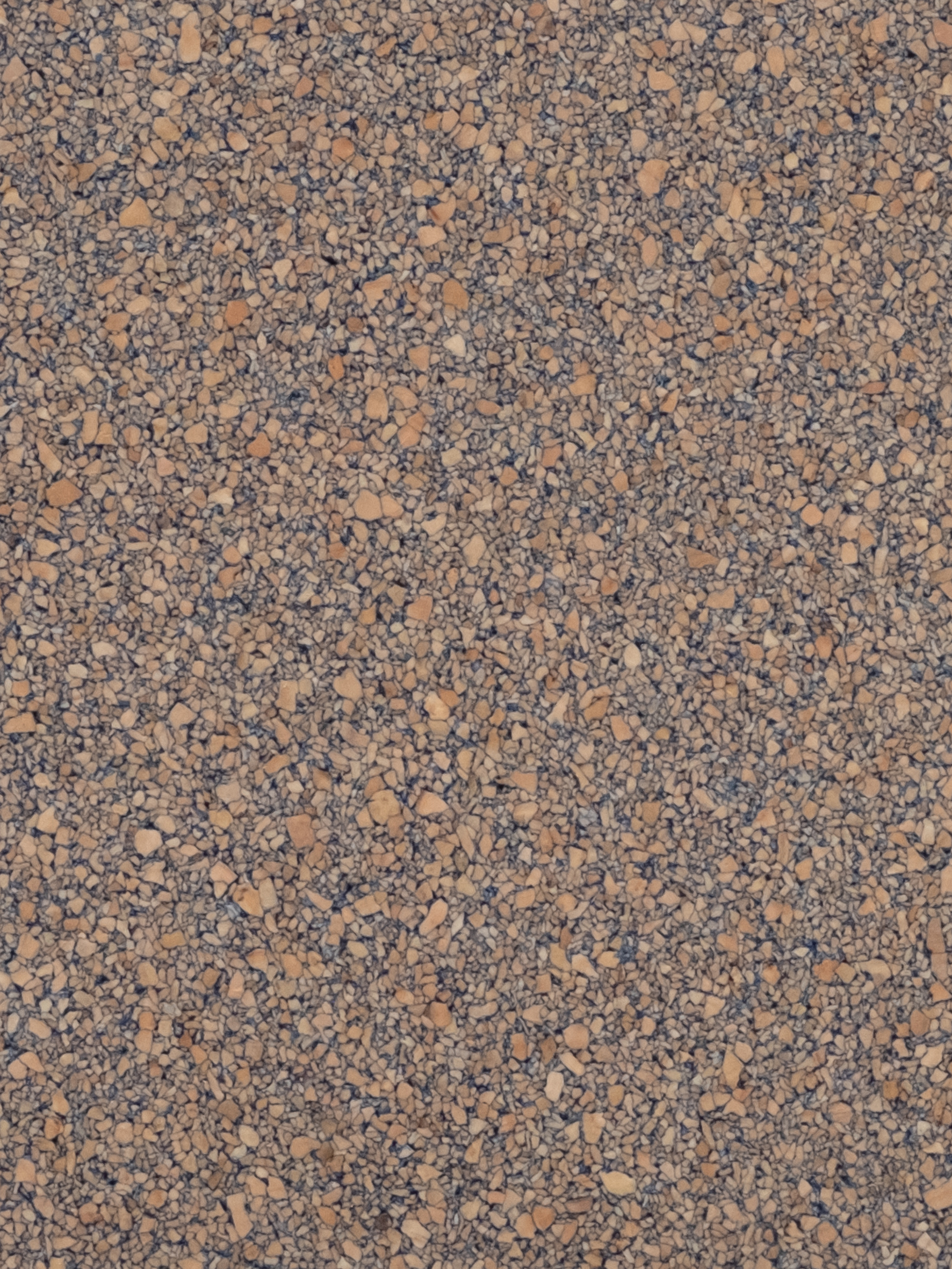
Cork is the bark of the cork oak; in common parlance, the term refers to both the raw bark and the products derived from it.
The material has a fine, compact cellular structure, in which air is sealed in by the accumulation of suberin, a substance that gives cork hydrophobic, i.e. water-repellent, properties. For this reason, cork is impermeable to liquids and gases, highly elastic, flame-resistant and resistant to water, pests, rot and numerous chemicals.
The numerous air pockets trapped within its structure also give it particularly advantageous characteristics: cork floats on water, has very low thermal conductivity and is an excellent thermal and acoustic insulator.
Cork is commercially available in various forms, including sheets, discs, blocks, rolls and balls. It is also available as cork granules, used in a wide range of industrial and construction applications.
Before processing, the bark is generally dried and then boiled for about 30 minutes in water at 90 °C. This treatment allows the tannins to be extracted and softens the material, facilitating its subsequent processing.
Thanks to its physical and mechanical properties, cork has been used over the years in numerous sectors and continues to be widely used today. In addition to the traditional production of bottle stoppers, it is mainly used as an insulating material in construction and as a covering for floors and walls.
Main source of the description
Material-Archiv. (2025). Kork.