The term ‘meranti’ refers to wood obtained from over 300 species of the genus Shorea, belonging to the Dipterocarpaceae family. These plants grow mainly in the tropical rainforests of Southeast Asia. ‘Red meranti’ refers to those varieties that have more or less intense shades of red.
Meranti comes in different colours, which vary depending on the species:
- Sapwood: yellowish-grey, usually between 4 and 8 cm thick.
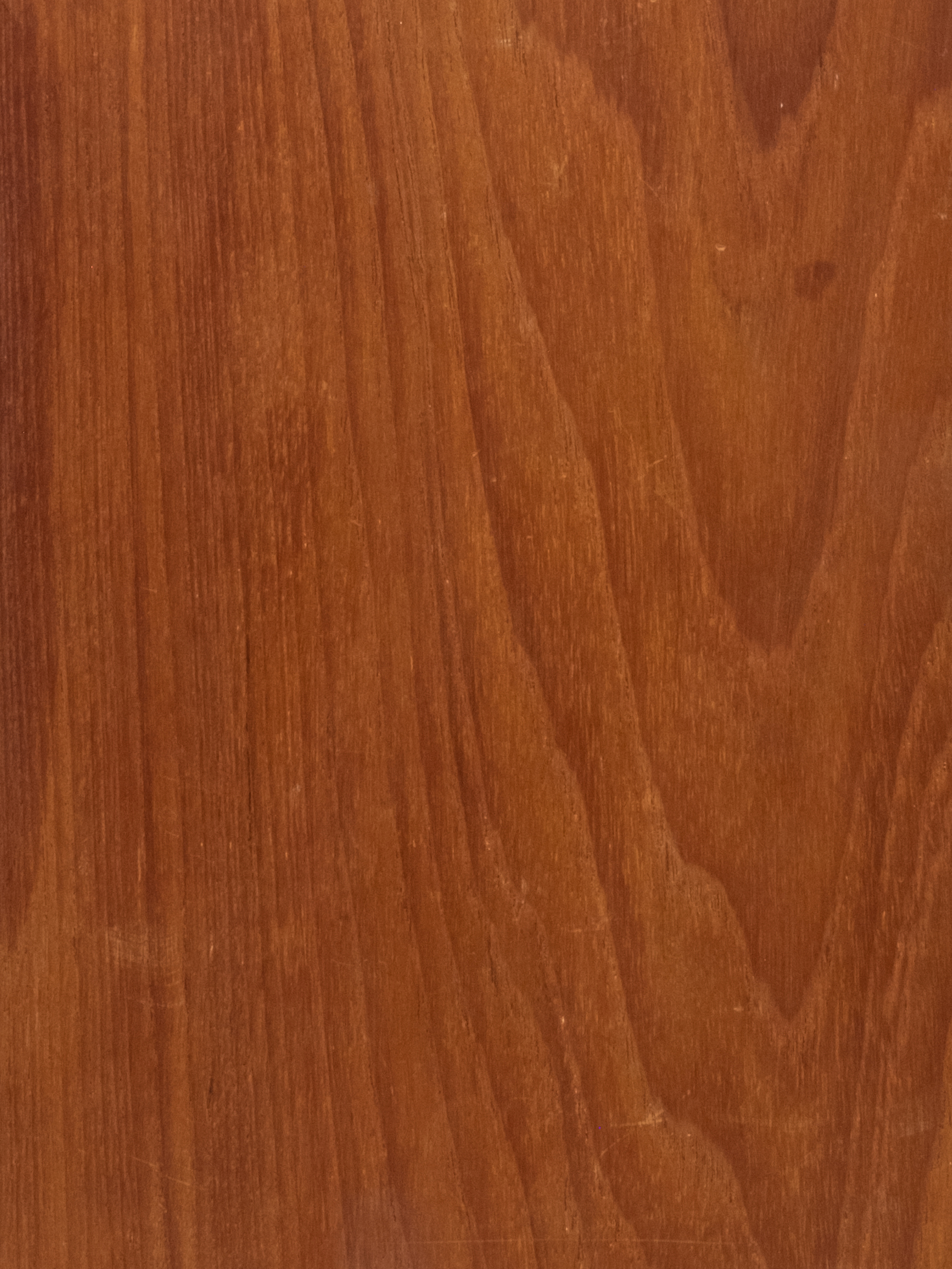
- Heartwood: varies widely, with shades ranging from light reddish brown to darker brown.
- Light red meranti: shades ranging from pale pink to soft red.
- Dark red meranti (red balau): medium to intense reddish-brown colour, often crossed by thin whitish resin streaks.
Red meranti is classified as moderately durable. When fresh, it is vulnerable to attack by fungi and insects and is not resistant to the pine wood nematode, but it does offer reasonable resistance to exposure to atmospheric agents.
The lighter red varieties are mainly used for interior applications: finishes, domestic flooring, inexpensive furniture, light construction and drywall systems. The darker varieties, on the other hand, are also suitable for exterior applications, such as facades, commercial structures and shipbuilding.
Regardless of the variety, all types of meranti are used in the production of plywood and decorative veneers for furniture, cladding and cabinet making.
Main source of description
Material-Archiv. (2023). Meranti, Rotes. Material-Archiv.
Other sources
Natterer, J., Volz, M., Volz, M., & Herzog, T. (2001). Atlante del legno ([rist.]). UTET.