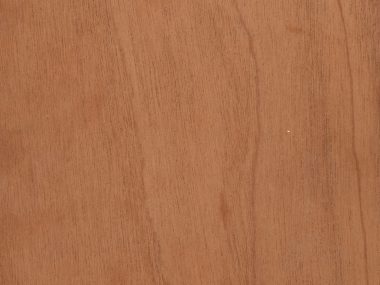
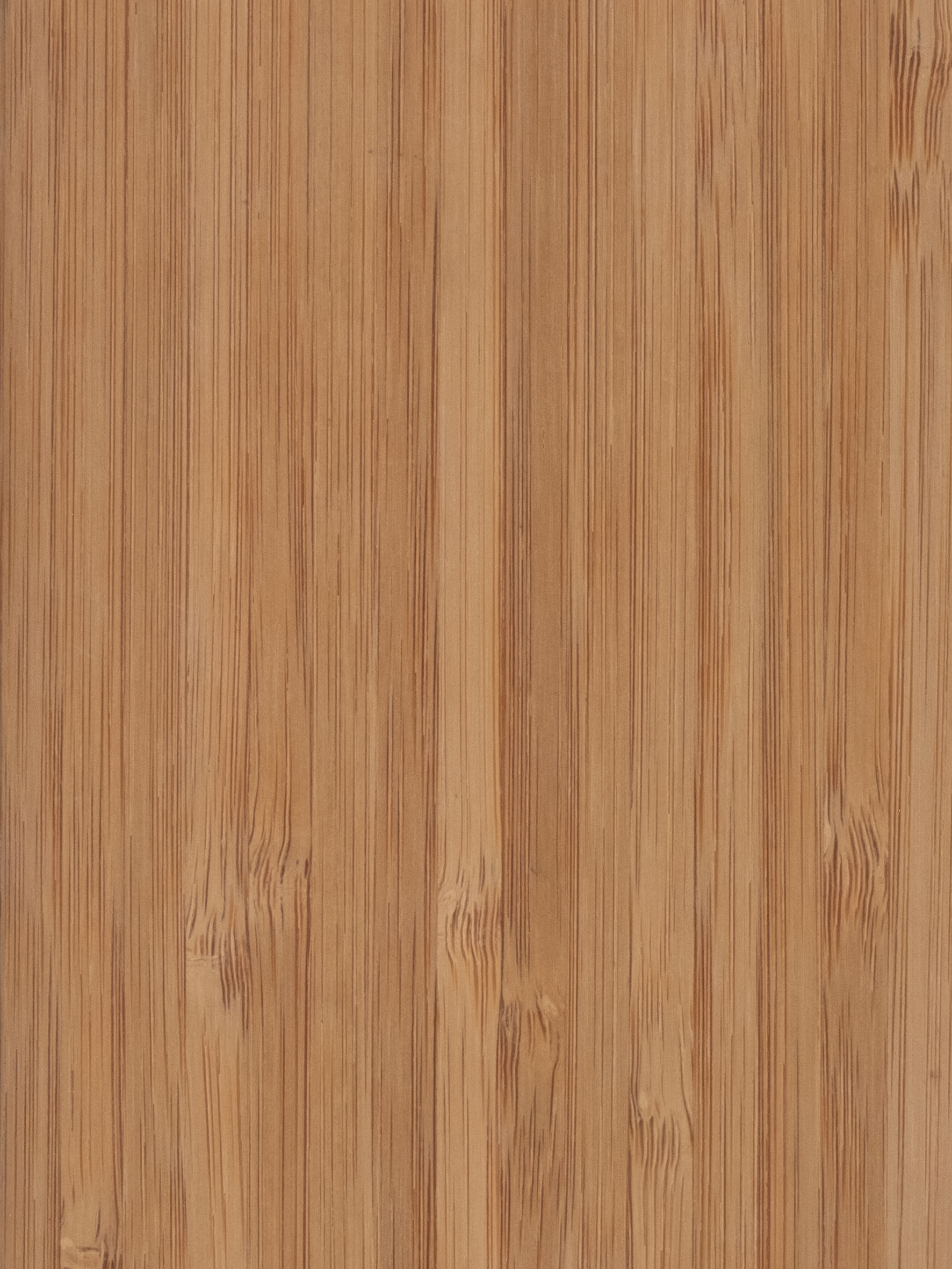
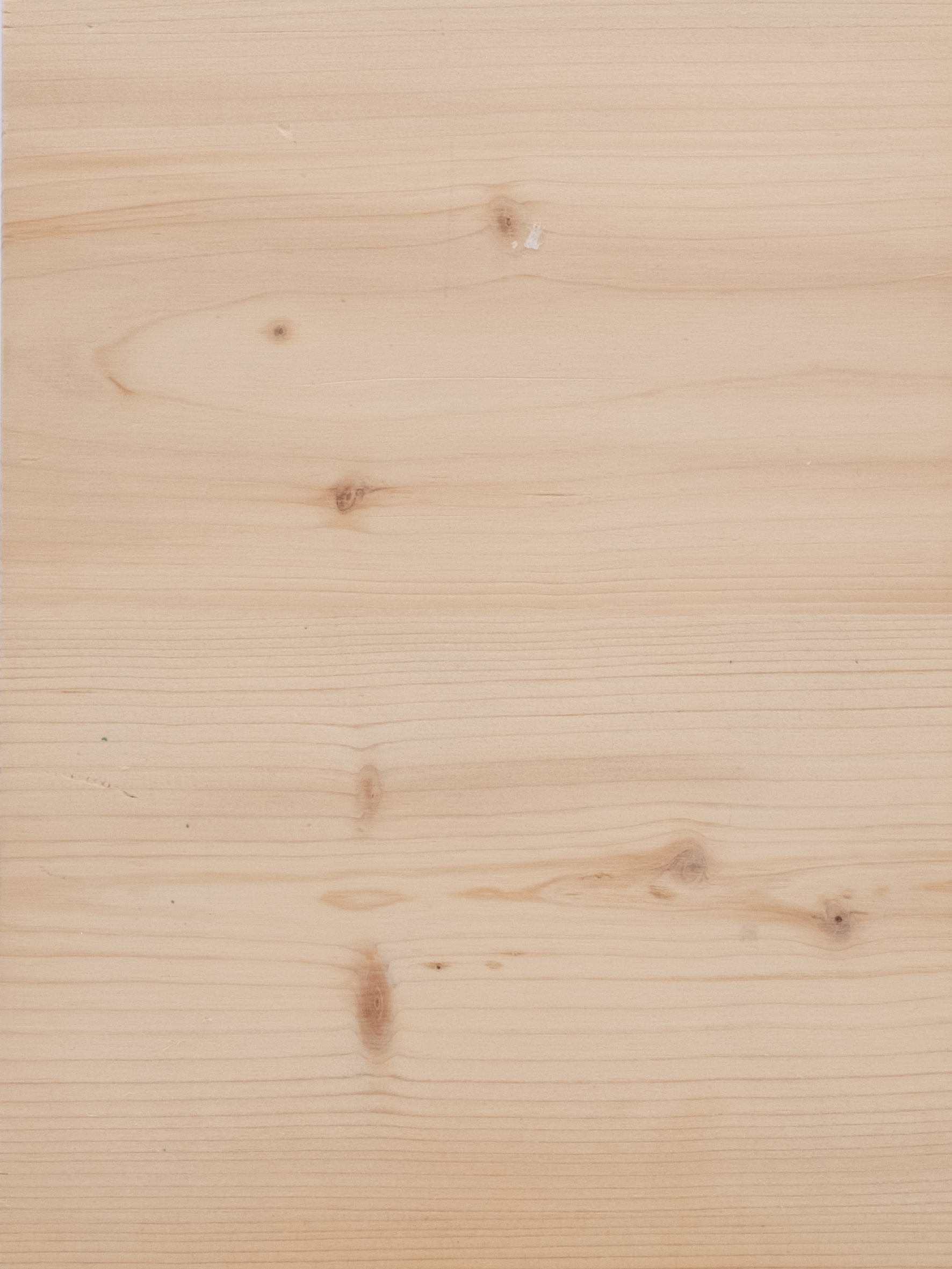
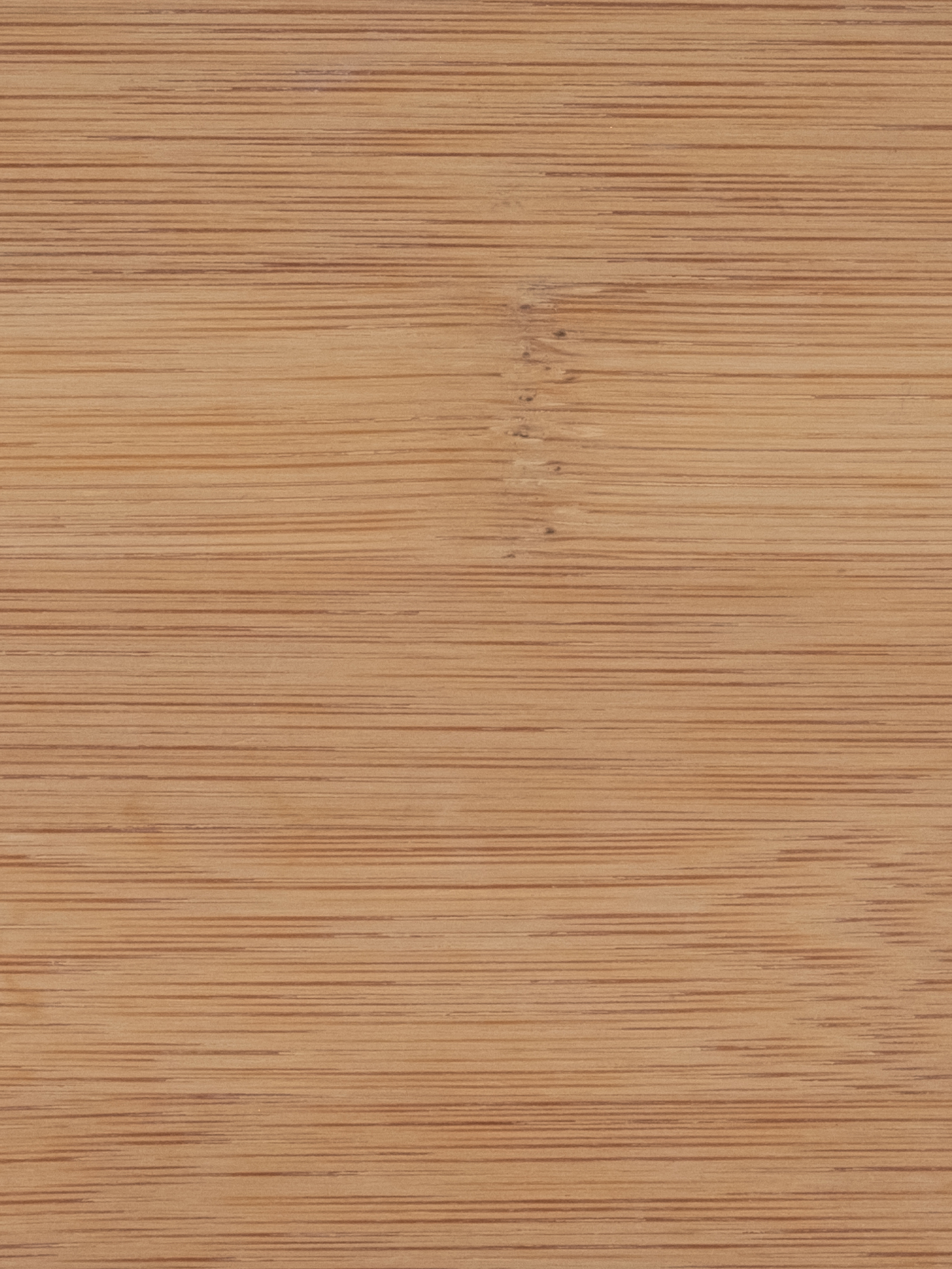
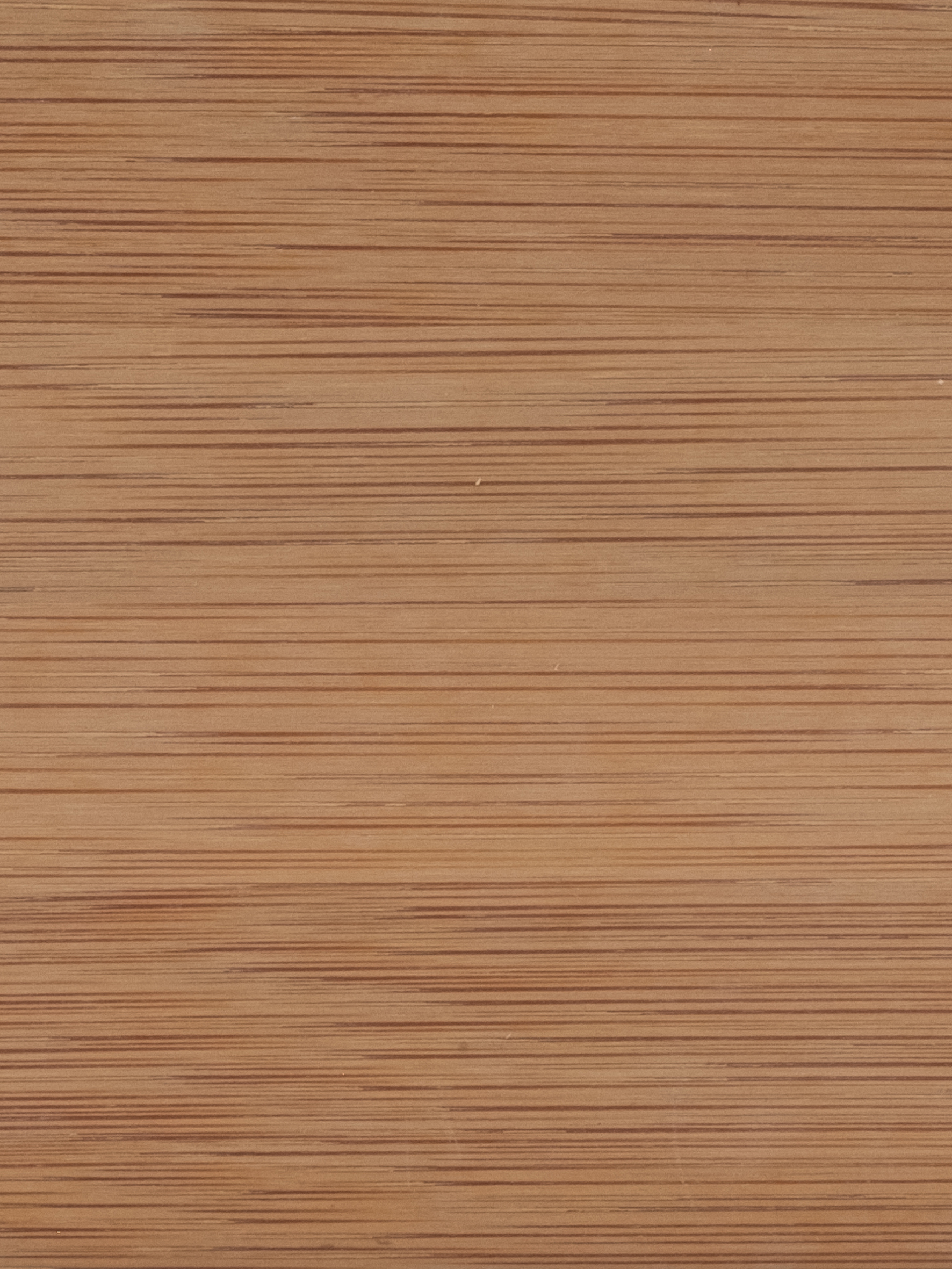
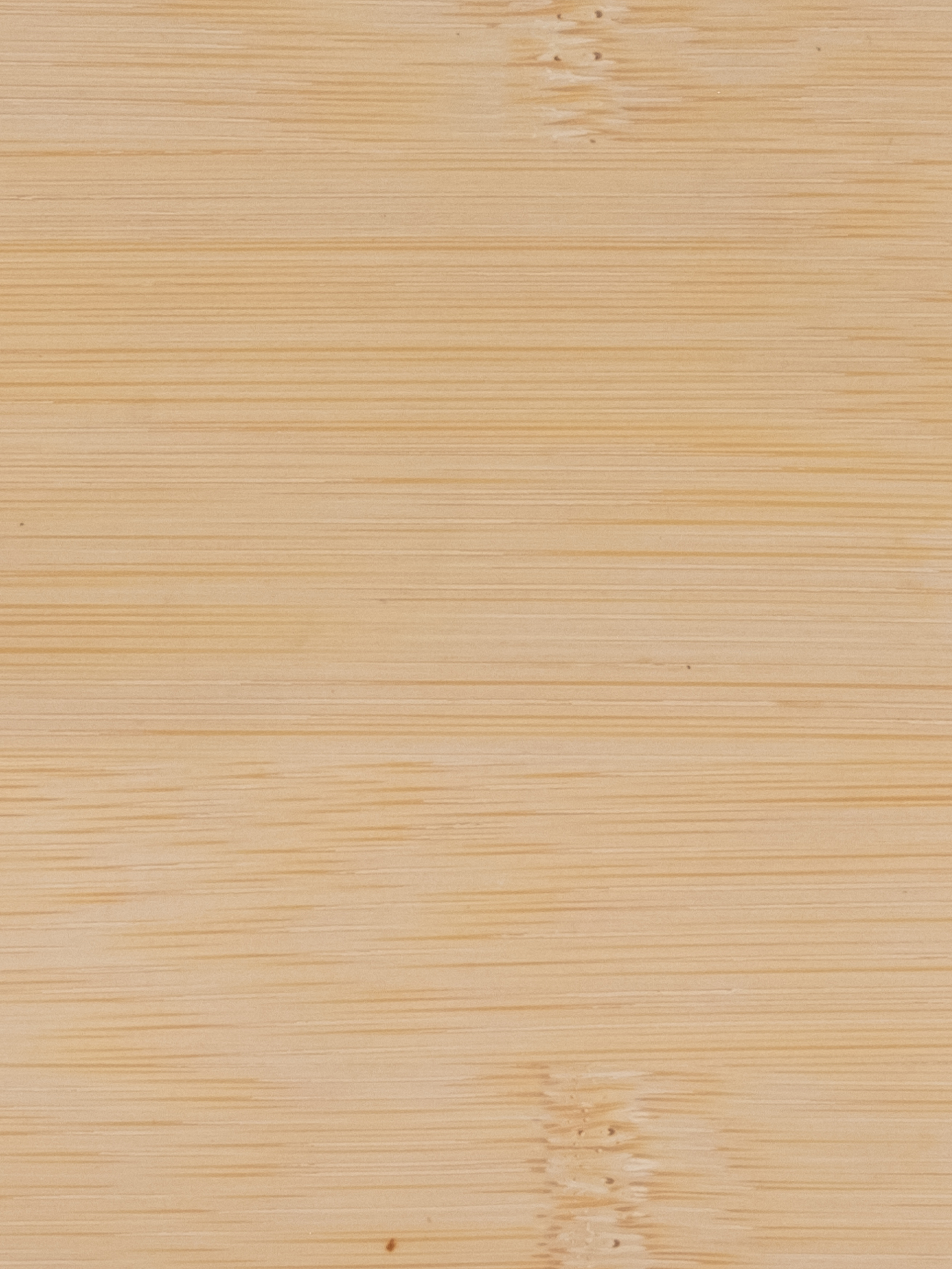
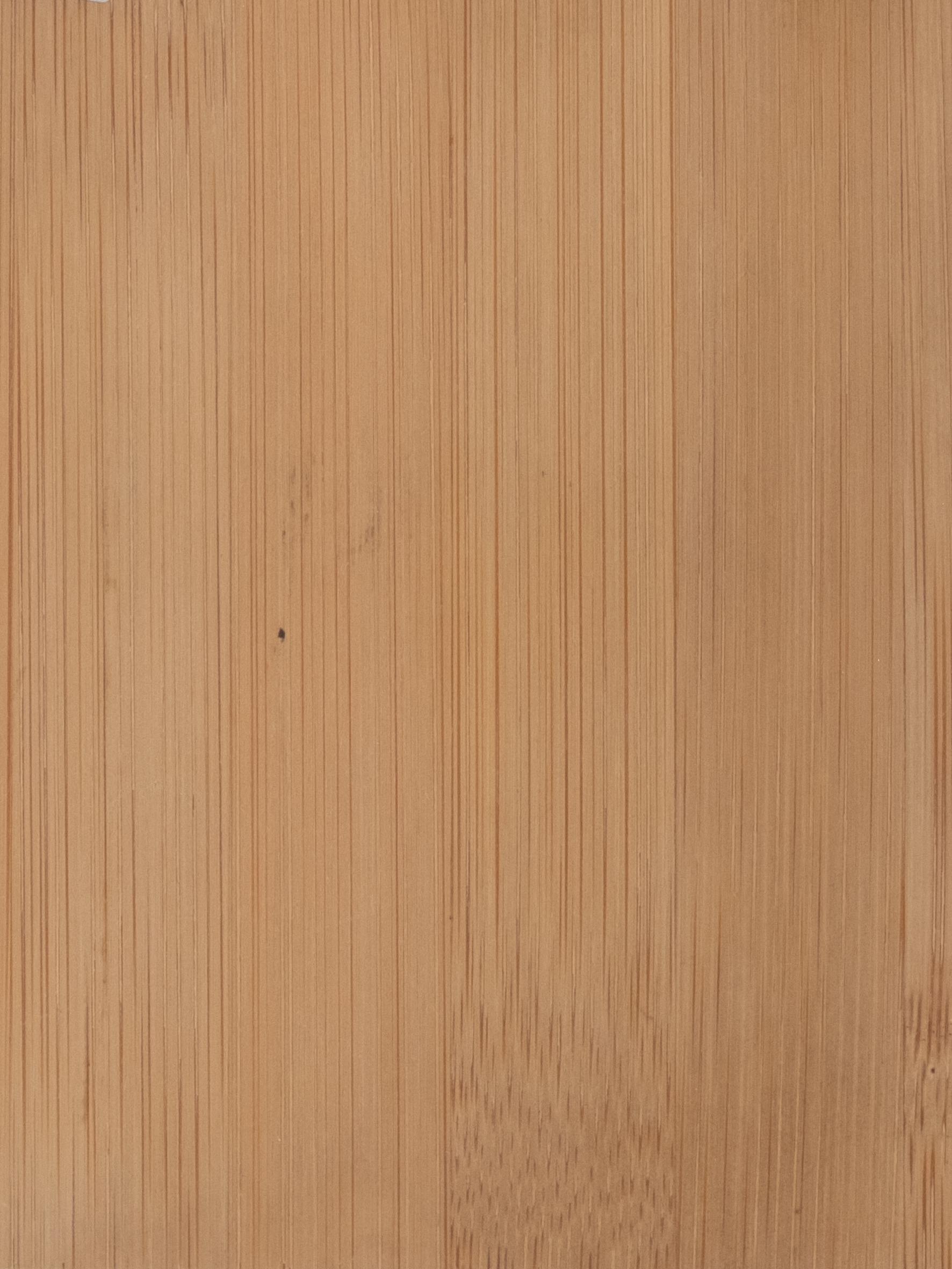

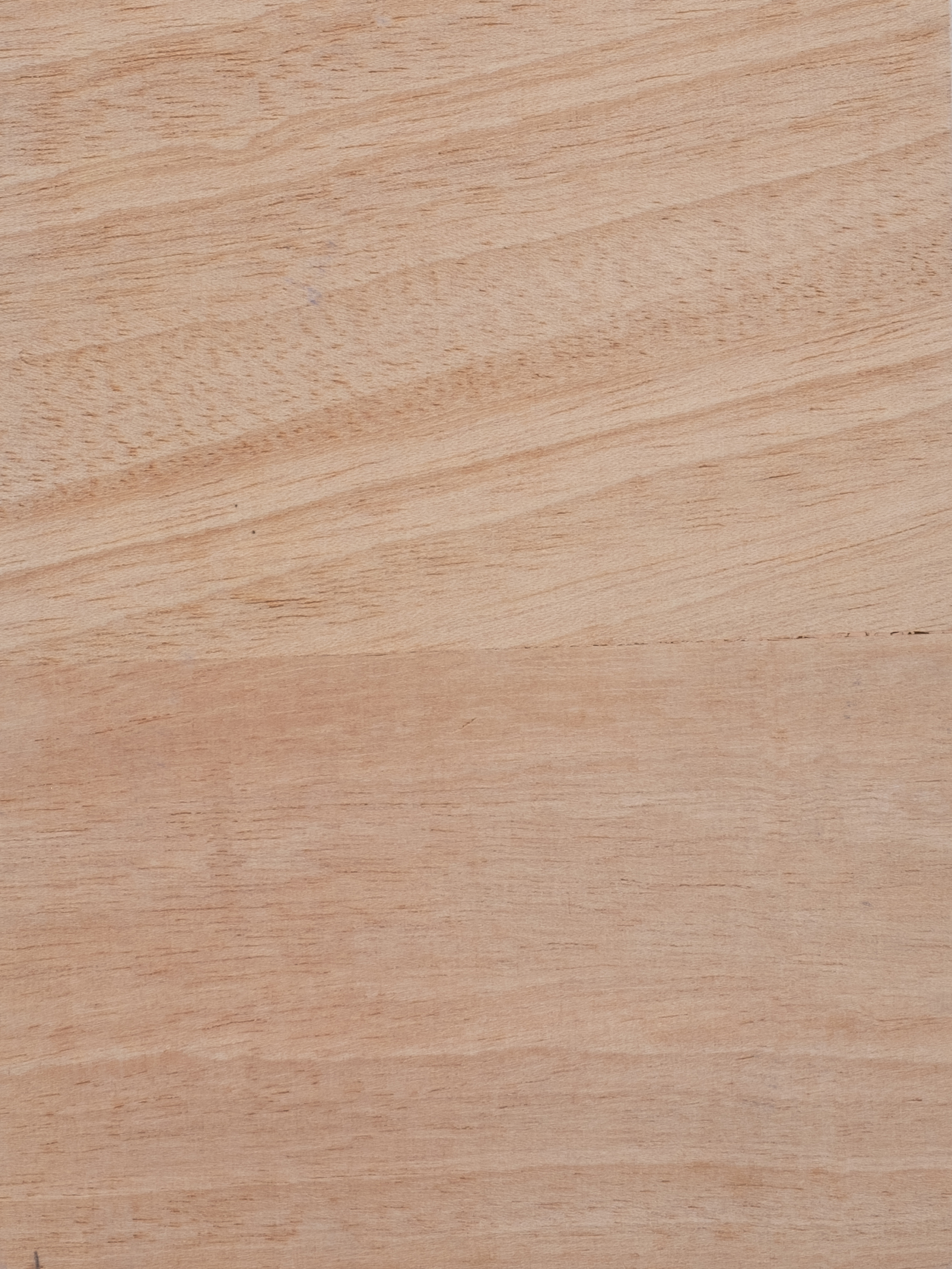
Solid wood multi-layer panels are made by joining three to five layers of lamellas, sourced from coniferous or deciduous woods, arranged with parallel fibres and glued crosswise. This alternating layer construction – known as cross-lamination – gives the panel greater rigidity and high dimensional stability, making it less prone to deformation than traditional solid wood.
The mechanical properties of these panels are similar to those of solid wood, but their multi-layer structure makes them more stable, especially in environments subject to changes in humidity or temperature. Visually, the panels appear as a continuous solid wood surface composed of side-by-side boards, with a natural and elegant appearance.
The quality of the wood used, particularly in the outer layers, plays a crucial role in the overall strength of the finished product. For this reason, careful selection of wood species is essential to ensure high performance.
Solid wood plywood panels are widely used in interior design – such as kitchens, wardrobes, wall cladding, ceilings and steps – as well as in exterior applications, for example for cladding facades.
The main source of the description
Material-Archiv. (2024). Massivholzplatten, mehrschichtig. Material-Archiv.
Other sources
Natterer, J., Volz, M., Volz, M., & Herzog, T. (2001). Atlante del legno ([rist.]). UTET.