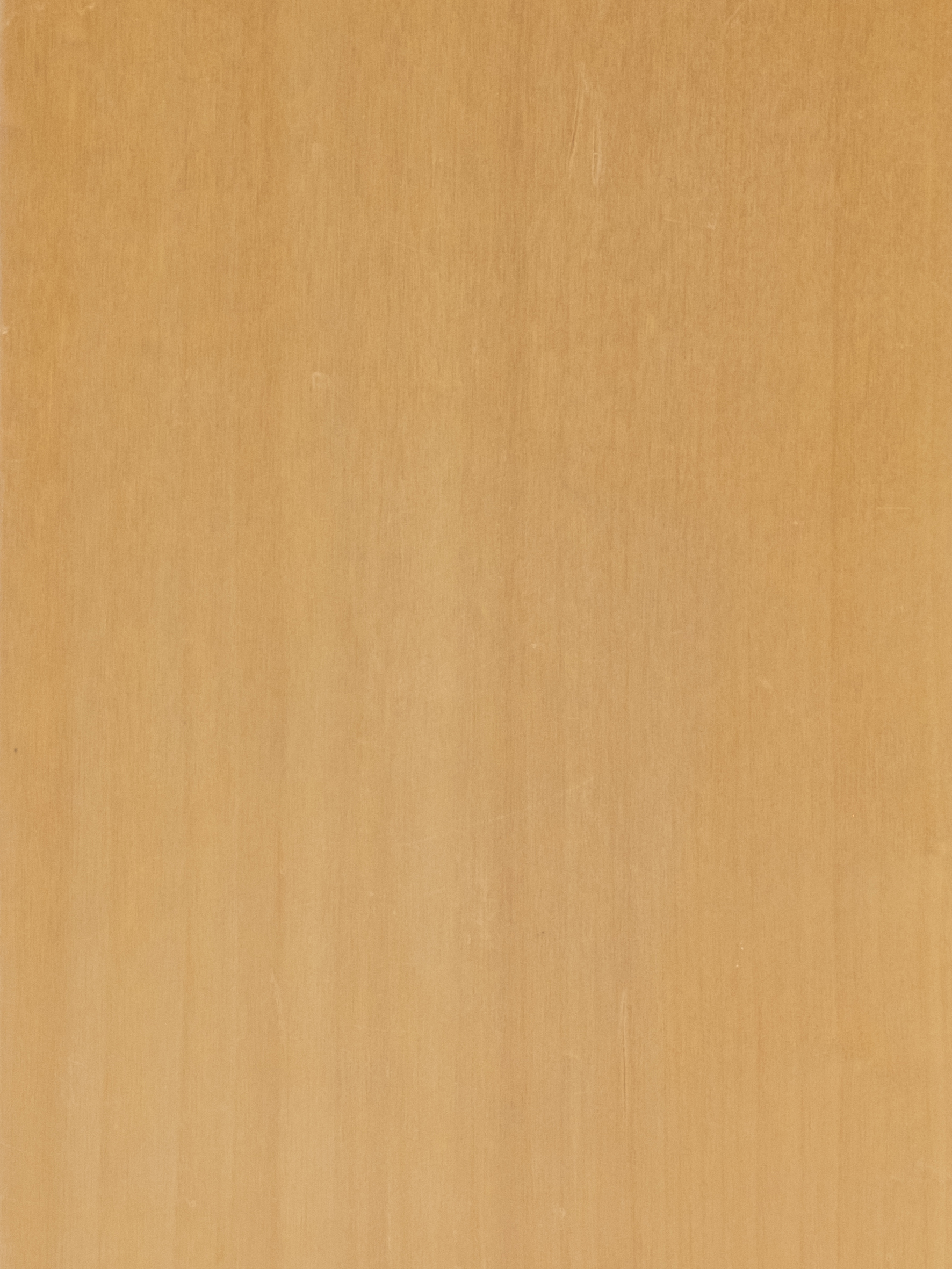
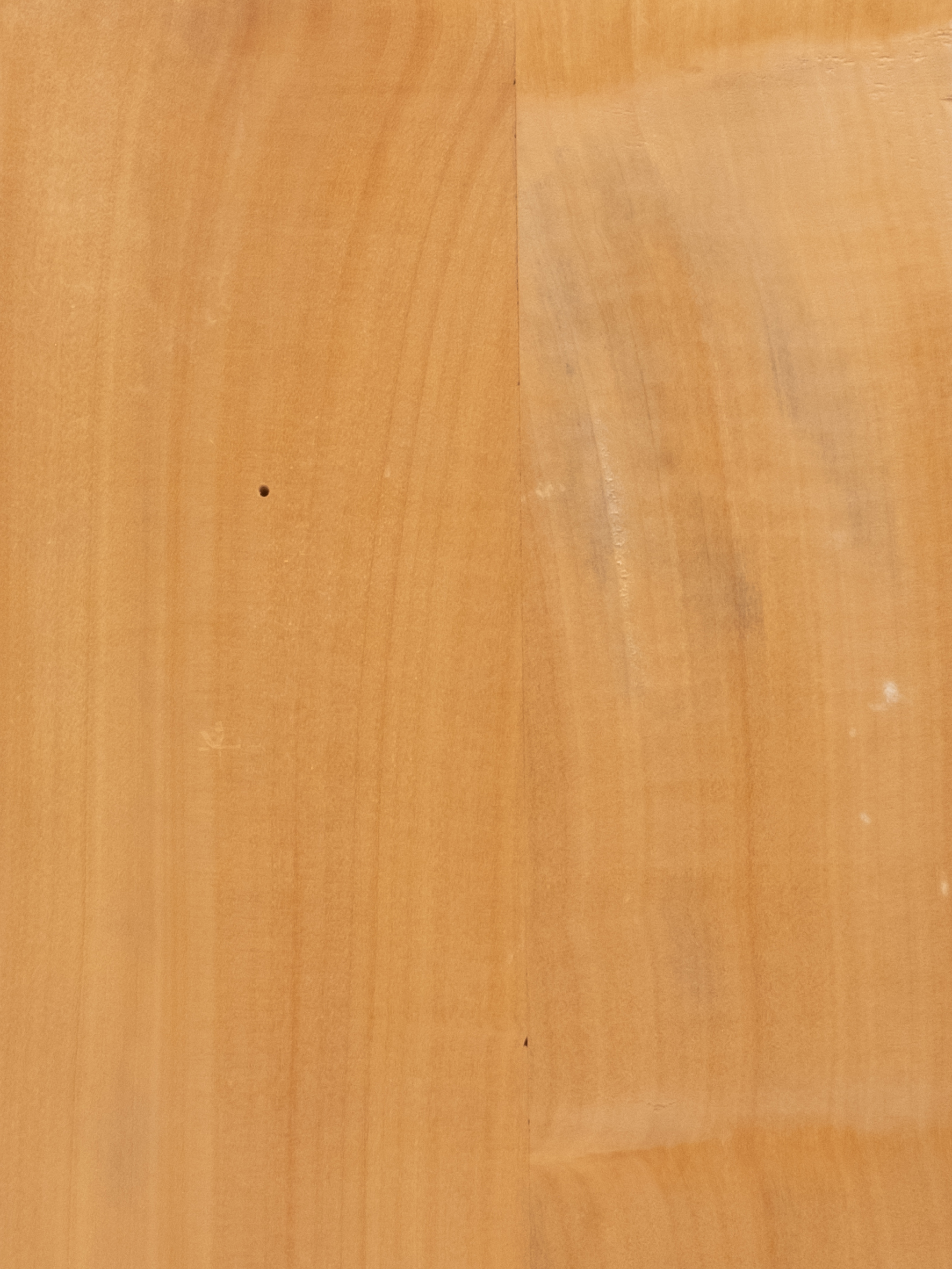
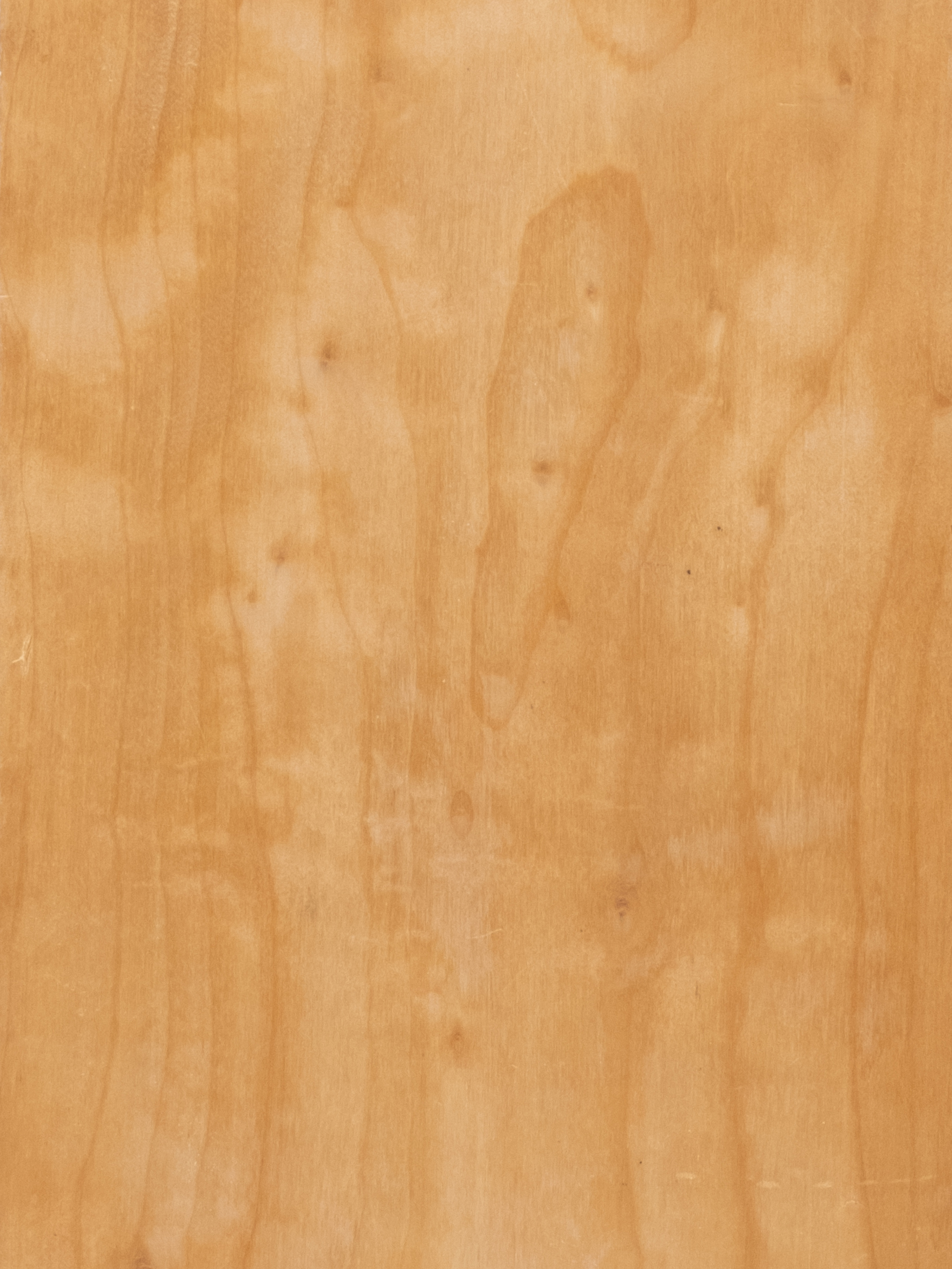
Poplar wood comes from trees of the genus Populus, which belong to the Salicaceae family. It is a widely available material thanks to the fast growth of these plants, a characteristic that makes it particularly suitable for the paper industry, where it is mainly used for the production of cellulose pulp.
From a physical point of view, poplar wood is light, elastic and very malleable. However, it has low resistance to both compression and bending and is only moderately resistant to impact. It dries easily but tends to warp and does not offer good resistance to atmospheric agents, which limits its use in outdoor environments.
Its poor surface quality and low hardness make it unsuitable for fine or high-quality work. For this reason, it is preferred in contexts where aesthetics and durability are not a priority. Among the most common uses are the production of lightweight packaging (such as fruit crates or chipboard baskets), matches and veneers, used in the manufacture of plywood panels.
Main source of description
Material-Archiv. (2024). Pappel. Material-Archiv.
Other sources
Natterer, J., Volz, M., Volz, M., & Herzog, T. (2001). Atlante del legno ([rist.]). UTET.