Spruce is the most common and economically important conifer in Europe. It has always been used as a building material, finding widespread use both outdoors and, above all, indoors. It also plays a key role in the plywood industry and in the manufacture of high-quality musical instruments.
It is mainly used in the production of furniture and interior furnishings, such as panelling and flooring. Some of the harvested wood is used to make wood pulp or is processed into technical wood or wood chips.
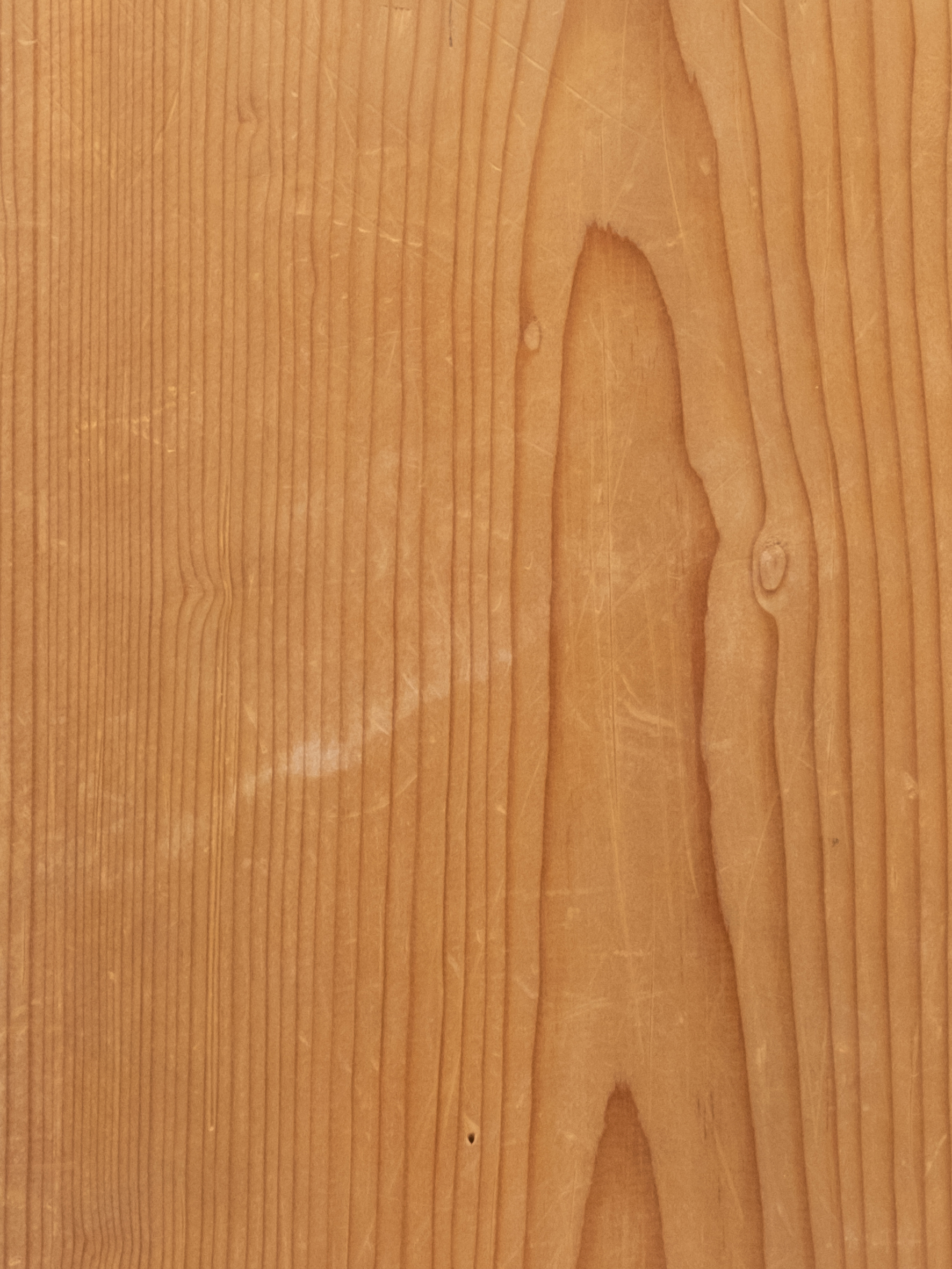
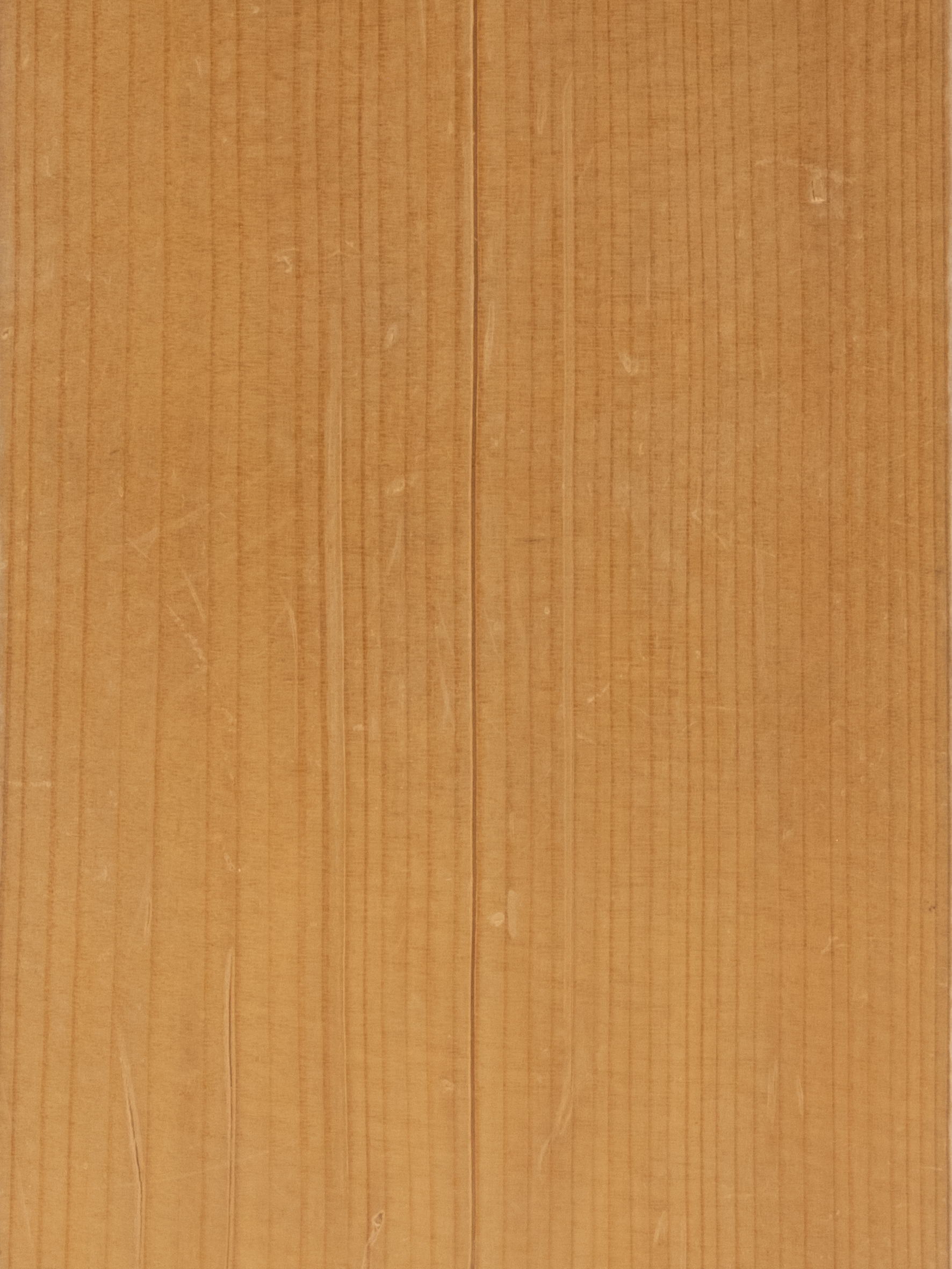
Spruce wood has a light, uniform colour with no distinction between heartwood and sapwood. The wood formed in the early stages of growth and the late wood show shades ranging from yellowish to pinkish-white, which are easily distinguishable. Over time, it tends to yellow, taking on a warm honey-like hue. It is a soft, light and fairly resinous material, offering a good balance between strength and elasticity in relation to its low density.
However, the natural durability of spruce is limited: it is vulnerable to attack by fungi and insects and does not tolerate exposure to atmospheric agents well. On the other hand, it shows reasonable resistance to weak acids and bases.
Main source of description
Material-Archiv. (2023). Fichte. Material-Archiv.
Other sources
Natterer, J., Volz, M., Volz, M., & Herzog, T. (2001). Atlante del legno ([rist.]). UTET.