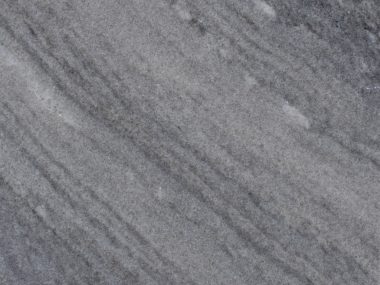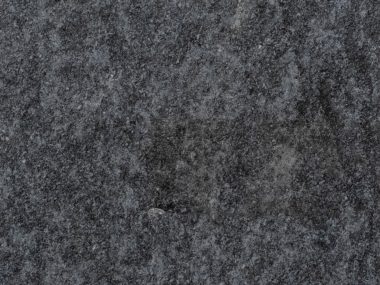

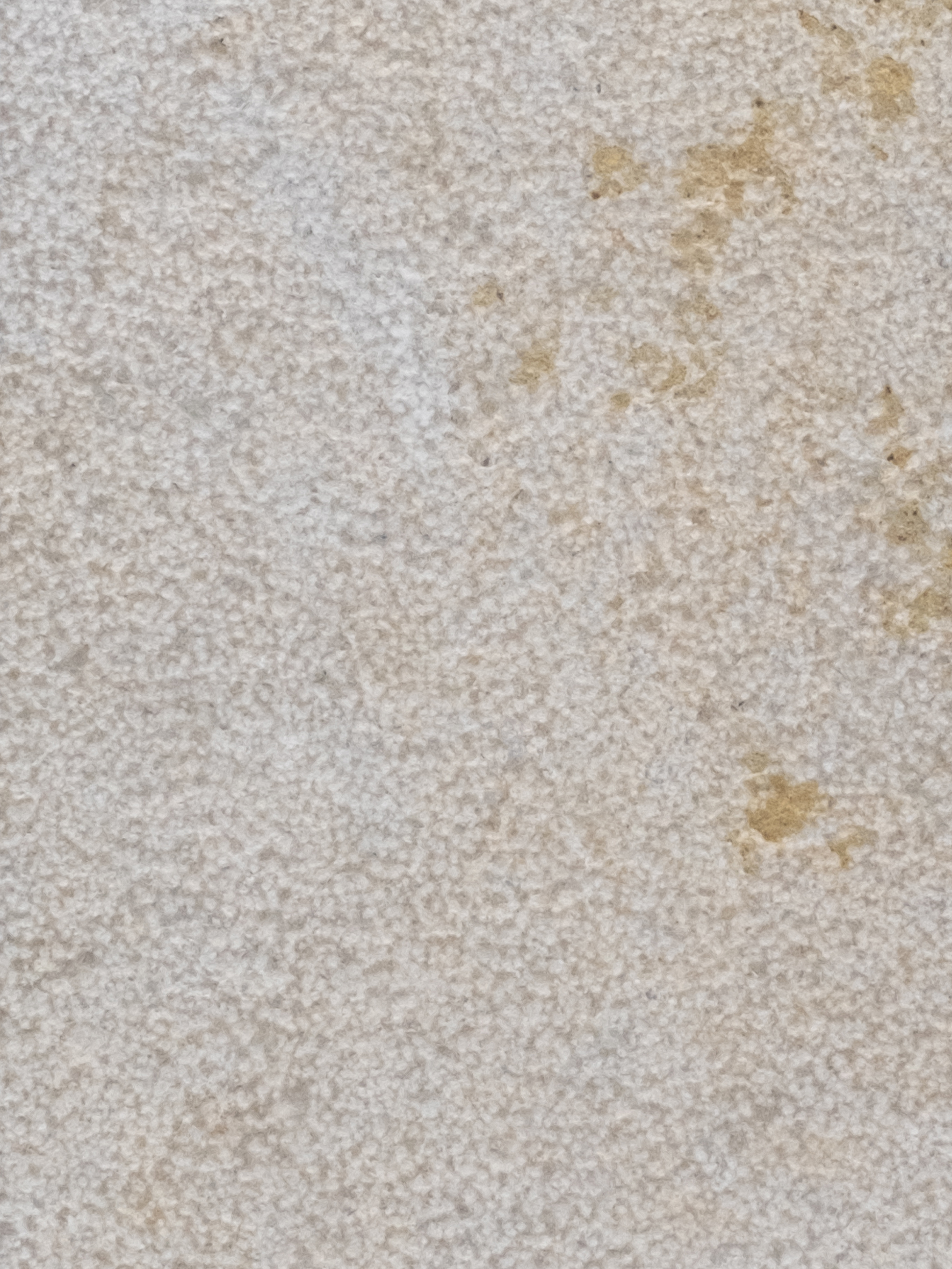

Saltrio Stone is a type of compact-grained limestone, part of the Southern Alps sedimentary series that outcrops along the pre-alpine belt of the province of Varese.
This material has been given various names by geologists over time, but has generally been classified into different categories: pietra piombina, the most resistant and suitable for building; pietra grigia and rossetta, used for ornaments; and pietra gentile, used for cladding.
Sculptors particularly appreciated Pietra di Saltrio for its ductility to the chisel and its durability, making it ideal for refined decorative executions.
Already used in the cladding of the Roman walls of Milan, its use continued throughout the Middle Ages and can still be admired today in various historical buildings, including Palazzo Litta, the basilica of Santa Maria delle Grazie, the Monumental Cemetery in Milan, the Pantheon of the Staglieno Cemetery in Genoa, the Certosa of Pavia and the Sanctuary of Santa Maria dei Miracoli in Saronno. It was also used in Ticino for architectural, structural and decorative elements.